
Nimmi was born on February 18, 1933. Her birth name was Nawab Bano. The screen name Nimmi was given to her by Raj Kapoor after she entered the film industry.
She was born in Agra into a Muslim family. Her mother Wahidan worked as a singer and actor, which gave Nimmi early exposure to the world of performance.
Nimmi also had several connections within the film industry through her family. Her father Abdul Hakim worked as a military contractor. The name Nawab Bano itself came from her grandparents. Her grandfather gave her the surname Nawab, while her grandmother added the name Bano.
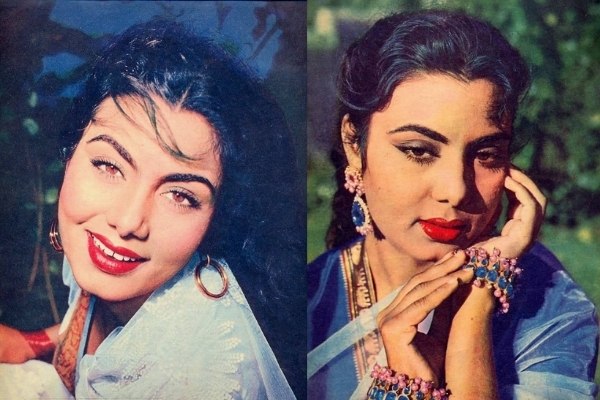
Nimmi often recalled her early visits to Bombay during childhood. During those years, her mother shared a friendly relationship with Mehboob Khan and his family. Mehboob Khan was already a respected and influential figure in the film industry, and these connections exposed Nimmi to the world of cinema from an early age.
Her childhood, however, was marked by a sudden personal loss. Nimmi was only eleven years old when her mother died unexpectedly. At that time her father, Abdul Hakim, was working in Meerut. He had another family and by then had very little contact with Nimmi’s mother. After her mother’s death, Nimmi could not remain in the same environment.
She was therefore sent to live with her maternal grandmother in Abbottabad, a town located near Rawalpindi. Abbottabad was then part of undivided India. Nimmi spent some of her early growing years there under the care of her grandmother.
The situation changed dramatically in 1947 when the partition of India took place. The region of Abbottabad became part of Pakistan after the partition. Due to the political changes and the uncertainty of that period, Nimmi’s grandmother decided to move back to India. The family eventually settled in Mumbai.
During this time Nimmi also had support from members of her extended family who were connected to the film industry. Her aunt Jyoti had previously worked as an actress. Jyoti later married G. M. Durrani, who was a well known playback singer, actor, and music director in Indian cinema. Through these family ties, Nimmi became more closely connected with the film world that would later shape her career.
As Nimmi grew older, she eventually entered the film industry and became one of the recognized actresses of her time. She gained prominence through several successful films including Barsaat, Deedar, Aan, Udan Khatola, and Basant Bahar. These films helped establish her as a popular face in Hindi cinema during the early years of the industry.
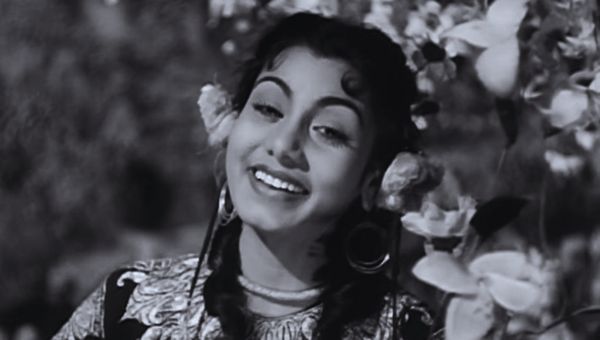
During her career Nimmi also formed close friendships within the film fraternity. She shared a strong bond with fellow actress Madhubala as well as actor Dilip Kumar. Nimmi and Madhubala were particularly close. Madhubala trusted her deeply and often shared her personal feelings and thoughts with Nimmi. Their friendship reflected the personal relationships that existed among many actors during the golden era of Hindi cinema.
Read- Guru Dutt, An Unsuccessful Marriage and Love Story
Actress Nimmi (Nawab Bano) details
| Category | Details |
|---|---|
| Full Name | Nawab Bano |
| Screen Name | Nimmi |
| Date of Birth | February 18, 1933 |
| Place of Birth | Agra, United Provinces, British India (now Uttar Pradesh, India) |
| Date of Death | March 25, 2020 |
| Place of Death | Mumbai, Maharashtra, India |
| Age at Death | 87 years |
| Cause of Death | Cardiac arrest following prolonged illness (breathing difficulties) (Times of India, March 26, 2020) |
| Nationality | Indian |
| Ethnicity | Indian (Muslim background) |
| Father | Abdul Hakim (military contractor for British Army) |
| Mother | Wahidan (singer, actress, tawaif, known as Wahidan Bai) |
| Maternal Aunt | Jyoti (actress, married to playback singer G.M. Durrani) |
| Grandfather | Small zamindar; named her “Nawab” aspiring for the title (Filmfare, 1993) |
| Grandmother | Called her “Bano”; moved with Nimmi to Mumbai post-Partition (Wikipedia) |
| Marital Status | Married |
| Husband | S. Ali Raza (screenwriter, married 1965 until his death on November 1, 2007) |
| Children | None biologically; adopted and raised her late sister’s son as per her dying wish (India.com, 2025) |
| Height | 5’2″ (1.57 m, per IMDb) |
| Hair Color | Black |
| Eye Color | Dark Brown (noted for expressive “saucer-shaped” eyes) |
| Profession | Actress |
| Active Years | 1949–1965 (main career); last film 1986 |
| Debut Film | Barsaat (1949, Hindi, second lead) |
| Total Films | Over 50 |
| Breakout Role | Neela in Barsaat (1949, innocent mountain shepherdess) |
| Major Hits | Barsaat (1949), Deedar (1951), Aan (1952), Daag (1952), Amar (1954), Basant Bahar (1956) |
| Last Film | Love and God (1986, incomplete, released posthumously) |
| Awards | Critics’ Award for Best Actress (Bhai Bhai, 1957) |
| Nickname | “The Unkissed Girl of India” (after rejecting Hollywood kissing scenes, India.com, 2025) |
| Discovered By | Raj Kapoor (renamed her from Nawab Bano to Nimmi) |
| First Technicolor Film | Aan (1952, India’s first color film) |
| Net Worth (Estimated) | $1-5 million (₹7-35 crore) at peak, per DecadesLife (2022); no updated figures post-death |
| Salary Per Film (Peak) | Among highest-paid actresses of 1950s (₹7,000 for Barsaat, spent on a car, Mumbai Mirror, 2020) |
| Residence (Later Life) | Mumbai, Maharashtra (Juhu area, per MissKyra, 2020) |
| Languages Spoken | Hindi, Urdu (presumed from upbringing and film dialogues) |
| Hobbies | Limited info; enjoyed rural life in youth (Mumbai Mirror, 2020) |
| Early Life | Born in Agra; mother died when Nimmi was 11; moved to Abbottabad with grandmother |
| Partition Impact | Fled Abbottabad (now Pakistan) to Mumbai in 1947 due to Partition (Wikipedia) |
| Film Entry | Visited Andaz (1949) set with aunt Jyoti; spotted by Raj Kapoor (Filmfare, 1993) |
| Raj Kapoor Connection | Became his rakhi sister after tying rakhi during Barsaat shoot (StarsUnfolded) |
| Hollywood Offers | Rejected 4 offers, including from Cecil B. DeMille, due to kissing scenes (X, @4331Subhash, March 19, 2025) |
| Iconic Feature | Expressive eyes; known for intense, emotional roles (Mumbai Mirror, 2020) |
| Frequent Co-Stars | Dilip Kumar (Deedar, Daag, Amar), Raj Kapoor (Barsaat), Dev Anand (Sazaa, Aandhiyan) |
| Singing | Sang her own songs in Bedardi (1951) (Wikipedia) |
| Notable Directors | Mehboob Khan (Aan), Chetan Anand (Anjali), K.A. Abbas (Char Dil Char Rahen) |
| Filmfare Recognition | No official wins, but critically acclaimed for Bhai Bhai (1956) |
| 1950s Stardom | One of the leading actresses alongside Nargis, Madhubala, Meena Kumari (BookMyShow) |
| Social Media | None (pre-digital era actress) |
| Health (Later Years) | Suffered prolonged illness; admitted to Sarla Nursing Home, Juhu, before death (MissKyra, 2020) |
| Funeral | Buried at Chandanwadi cemetery, Mumbai, on March 26, 2020 (Hindustan Times, March 26, 2020) |
| Family Ties | Niece of actress Jyoti; mother Wahidan worked with Mehboob Khan in 1930s (Wikipedia) |
| Marriage Details | Met S. Ali Raza during Aan (he wrote it); married in 1965; no children (StarsUnfolded) |
| Husband’s Career | S. Ali Raza wrote Mother India (1957), Saraswatichandra (1968), Reshma Aur Shera (1971) |
| Adopted Son | Raised sister’s son after her early death; fulfilled her last wish (India.com, 2025) |
| Rakhi Tradition | Tied rakhi to Raj Kapoor annually after Barsaat (Filmfare, 1993) |
| Personality | Shy, emotional, unaffected; qualities that won Raj Kapoor’s attention (Cinestaan, 2018) |
| Career Peak | 1950s-early 1960s; selective post-1957 for quality roles (Wikipedia) |
| Controversial Role | Played a prostitute in Char Dil Char Rahen (1959) (Wikipedia) |
| Box Office Success | Barsaat (1949) was a blockbuster; Aan (1952) premiered in London (India.com, 2025) |
| International Fame | Dubbed “The Unkissed Girl” after refusing Aaron Flynn’s hand kiss at Aan London premiere (India.com, 2025) |
| Cultural Impact | Known for village belle roles; brought innocence to screen (Mumbai Mirror, 2020) |
| Film Rejections | Turned down supporting roles post-Barsaat to wait for leads (Mumbai Mirror, 2020) |
| Song Highlights | “Jiya Beqarar Hai” (Barsaat), dubbed by Lata Mangeshkar in later films (X, @FilmHistoryPic, 2020) |
| Legacy | Icon of Hindi cinema’s golden era; remembered for emotional depth (BookMyShow) |
| Fan Base | Massive following in 1950s; admired by Biswajit Chatterjee (Mumbai Mirror, 2020) |
| Posthumous Tributes | Rishi Kapoor called her “Nimmi aunty” of RK family (X, March 25, 2020) |
| Prem Nath Memory | Played tragic lover in Barsaat; fans sympathized with her character (Mumbai Mirror, 2020) |
| Dilip Kumar Pairing | Popular on-screen duo in Deedar, Daag, Amar (Wikipedia) |
| Technicolor Milestone | Aan shot in both color and black-and-white for safety (India.com, 2025) |
| London Premiere (Aan) | Attended with Aan team; met Douglas Fairbanks, Aaron Flynn (India.com, 2025) |
| Hollywood Refusal Reason | Avoided kissing scenes; said, “I am an Indian girl” (India.com, 2025) |
| Critical Acclaim | Bhai Bhai (1956) role won her critics’ praise at age 24 (Wikipedia) |
| Career Decline | Became selective post-1957; rejected BR Chopra’s Sadhna (LiveHindustan, 2021) |
| Last Public Mention | X post by @4331Subhash (March 19, 2025) on Hollywood offers |
| Physical Stats (Peak) | Petite frame, doe-eyed, noted for expressive face (DecadesLife, 2022) |
| Education | Limited formal education; grew up in rural settings (Mumbai Mirror, 2020) |
| Early Struggles | Lost mother at 11; father had another family in Meerut (Wikipedia) |
| Partition Journey | Moved from Abbottabad to Mumbai with grandmother during 1947 chaos (Wikipedia) |
| Mehboob Khan Link | Mother’s connection with Khan led to Andaz set visit (Cinestaan, 2018) |
| First Audition | Cried during Barsaat screen test; Raj Kapoor saw it as emotion (Filmfare, 1993) |
| 1950 Film Rush | Jalte Deep, Banwra, Raj Mukut, Wafaa released in one year (Mumbai Mirror, 2020) |
| Emotional Roles | Excelled in tragedy; Deedar’s blind lover role iconic (Wikipedia) |
| Peer Respect | Biswajit Chatterjee called her a matinee idol (Mumbai Mirror, 2020) |
| Marriage Influence | Quit acting post-1965 marriage to focus on family (BookMyShow) |
| Sister’s Death | Younger sister died young; Nimmi honored her by raising her son (India.com, 2025) |
| Husband’s Death | S. Ali Raza passed away in 2007; Nimmi lived alone thereafter (IMDb) |
| Late Life | Lived quietly in Juhu; visited by few friends (Mumbai Mirror, 2020) |
| Ramanand Sagar Tie | Part of Sagar family; attended his funeral in 2005 (Mumbai Mirror, 2020) |
| Fan Quote (X) | “NIMMI passes away… doe-eyed star of 50s-60s” (@FilmHistoryPic, March 25, 2020) |
| Cultural Roots | Tied to Agra’s musical heritage via mother Wahidan (Wikipedia) |
| Acting Style | Unique, mannered, polished over time (Wikipedia) |
| Film Retirement | Chose family over career post-marriage (StarsUnfolded) |
| Public Persona | Innocent, emotional, resilient (Mumbai Mirror, 2020) |
| Health Decline | Breathing issues worsened in 2020; hospitalized days before death (MissKyra, 2020) |
| Posthumous Legacy | Remembered as Raj Kapoor’s first discovery (ZeeNews, March 25, 2020) |
| Fan Sentiment (2025) | “Nimmi’s beauty outshone even Madhubala” (X posts, February 2025) |
| Film Preservation | Barsaat, Aan still celebrated in archives (Cinestaan, 2018) |
| Historical Note | Rejected Hollywood to preserve Indian values (X, @4331Subhash, March 19, 2025) |
| Last Interview | 2013; spoke of Aan premiere and Hollywood offers (X, @4331Subhash, March 19, 2025) |
| Golden Era Rank | Among top actresses with Nargis, Madhubala (BookMyShow) |
| Final Resting Place | Chandanwadi cemetery, Mumbai; simple burial per Islamic rites (Hindustan Times, March 26, 2020) |
Behind Dilip Kumar, Actress Nimmi and Madhubala fight
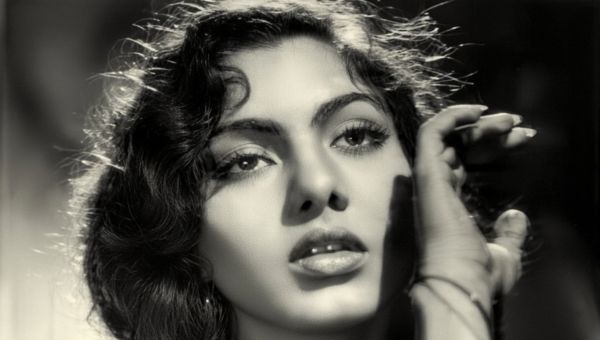
Nimmi once shared an interesting memory from the filming of the 1954 movie Amar. During an interview, she explained that her friendship with Madhubala became very strong while they were working together on the film. Both actresses spent long hours on set, and their conversations often turned personal. One of the subjects that frequently came up was Dilip Kumar, who was playing the lead role in the film.
At that time, Madhubala was deeply in love with Dilip Kumar. According to Nimmi, this situation slowly created a sense of doubt in Madhubala’s mind. Nimmi was known for her caring and warm nature on film sets. She often looked after fellow actors and maintained friendly relationships with everyone around her. Madhubala noticed that Nimmi also showed concern and care for Dilip Kumar.
This led to a natural question in Madhubala’s mind. She wondered why Nimmi seemed to take the same level of care for Dilip Kumar that she herself did. The thought troubled her enough that she eventually decided to speak openly with Nimmi.
One day Madhubala approached her directly. She asked if she could ask a personal question. Madhubala told Nimmi that she trusted her and believed that Nimmi would never deceive her or hide the truth. The conversation that followed revealed how deep their friendship was at the time.
Madhubala said that if Nimmi had the same feelings for Dilip Kumar that she did, she would step aside for her. She even told Nimmi that she would leave Dilip Kumar for her sake alone. Hearing this surprised Nimmi. She had never expected such a statement from her close friend.
Nimmi later recalled that she responded in a calm and friendly tone. She told Madhubala that she had no such feelings for Dilip Kumar. She also added that she would never want a husband offered in charity. With this honest reply, she tried to reassure Madhubala and clear the misunderstanding that had developed between them.
Around the same period in her early career, Nimmi had an important encounter that would shape her future in films. She met Raj Kapoor on the sets of the film Andaz. During those days Raj Kapoor was preparing for his upcoming film Barsaat and was searching for new faces for the cast.
Raj Kapoor had already selected Nargis as the lead actress for the project. However, when he noticed Nimmi, he was impressed by her appearance and screen presence. He decided to offer her a supporting role in the film. Nimmi accepted the opportunity without hesitation.
Barsaat was released in 1949 and became an important milestone in her career. The film helped introduce her to a wide audience and established her presence in the Hindi film industry. After the success of Barsaat, Nimmi continued to receive acting opportunities and gradually built a strong reputation as a talented actress.
Over the following decades, she appeared in many well known films. Some of her most remembered performances came in movies such as Barsaat, Deedar, Aan, Udan Khatola, and Basant Bahar. Through these roles she became a familiar face during the golden era of Hindi cinema.
In total, Nimmi appeared in around fifty films during a career that lasted nearly four decades. Her work during this period reflected the changing style of Indian cinema while also preserving the charm of classic storytelling. After many years in the industry, she eventually stepped away from acting and said her final goodbye to the film world.
Marriage
Marriage played an important role in her later life. Nimmi married Ali Raza, who worked as a scriptwriter with the well known filmmaker Mehboob Khan. After her marriage, she gradually stopped accepting new film offers. Instead, she chose to focus more on her personal life and household responsibilities.
Her decision marked a quiet transition away from the spotlight. While many of her contemporaries continued to work in films, Nimmi preferred a more private life after marriage.
Death
In her later years, Nimmi faced health challenges. Actress Nimmi passed away on March 25, 2020, at the age of eighty-seven. She had been suffering from a prolonged illness during the final phase of her life. Because of recurring health problems, she had been admitted to the hospital several times in her last years.
Shortly before her death, she was taken to a hospital in Juhu after experiencing breathing difficulties. Doctors treated her, but her condition did not improve. She passed away the following evening.
With her death, the film industry lost one of the notable actresses of its early decades. Nimmi’s work continues to be remembered through the classic films that shaped her long career in Hindi cinema.