
Johnny Walker was one of Hindi cinema’s most beloved comic actors. His screen name, inspired by a popular whisky brand, was given to him by filmmaker Guru Dutt. The irony was clear. Despite carrying the name of a liquor label, Johnny Walker did not drink alcohol.
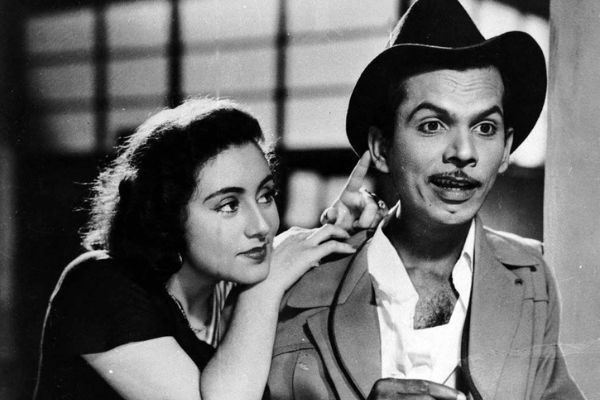
Before entering films, he worked as a bus conductor in Mumbai. Even during long shifts, he entertained passengers with jokes, mimicry, and spontaneous performances. His natural comic timing turned routine bus rides into lively experiences. It was during this period that his talent caught the attention of people connected to the film industry.
Guru Dutt reportedly noticed his flair for humour and encouraged him to try acting. That opportunity changed his life. From small comic roles, he went on to become one of the most recognisable faces in Hindi cinema during the 1950s and 1960s.
Johnny Walker became known for his expressive face, sharp timing, and ability to deliver humour without relying on crude language. His performances added warmth and relief to emotionally intense films. He often played the friendly drunk, street-smart companion, or lovable trickster. Audiences appreciated his clean comedy and effortless charm.
Some of his most memorable appearances were in Guru Dutt’s films, where he provided balance to serious storytelling. His work in classics such as Pyaasa and CID helped cement his place in cinematic history. Over time, he acted in hundreds of films and built a legacy as one of Bollywood’s finest comedians.

Johnny Walker’s journey from a bus conductor who entertained passengers to a celebrated screen icon remains one of the most inspiring stories in Indian cinema. He proved that talent can emerge from ordinary spaces and that humor, when delivered with sincerity, can leave a lasting mark.
Today marks the 19th anniversary of Johnnie Walker’s death. Johnnie Walker was widely regarded as the best comedian of the 1950s, 1960s, and 1970s. For four decades, he ruled the film industry. Johnny used to work as a bus driver.
Later, he established himself as the best comedian. In his career, he has appeared in approximately 300 films. Johnny was the first to have a personal manager and begin taking Sundays off. There was a time when distributors would pay filmmakers more to keep Johnny’s songs in the film.
The film’s producers used to have the writers write Johnny’s role separately. Johnny was the first actor to begin speaking the language of taxi drivers in the cinema. On this great actor’s birthday, let us look at some extraordinary stories from his life.
| Category | Details |
|---|---|
| Full Name | Badruddin Jamaluddin Kazi |
| Screen Name | Johnny Walker |
| Date of Birth | March 23, 1924 (disputed; some sources cite November 11, 1926) |
| Place of Birth | Indore, British India (now Madhya Pradesh, India) |
| Date of Death | July 29, 2003 |
| Place of Death | Mumbai, Maharashtra, India |
| Cause of Death | Prolonged illness (unspecified; possibly cardiac-related, per family statements) |
| Age at Death | 79 years (based on 1924 birth year) |
| Nationality | Indian |
| Ethnicity | Indian Muslim (Pathan ancestry, per some accounts) |
| Family | Father: Jamaluddin Kazi (weaving teacher); Mother: Unknown; 11 siblings (third of 12 children) |
| Marital Status | Married |
| Wife | Noorjahan (Noor) Kazi (married 1955; sister of actress Shakila) |
| Children | 6 (3 sons, 3 daughters): Nasirr Khan (actor), Nazneen, Firdaus, Tasneem, Kausar, Naushad |
| Education | Dropped out in 6th standard (self-educated thereafter) |
| Height | Approximately 5’6″ (1.68 m, per Onewiki estimate) |
| Profession | Actor, Comedian, Producer, Director |
| Debut Film (Acting) | Baazi (1951, directed by Guru Dutt) |
| Breakthrough Role | Baazi (1951, as a drunkard, named Johnny Walker by Guru Dutt after the whisky brand) |
| Total Films (Acting) | Around 300 (Hindi, some Malayalam; exact count varies by source) |
| Total Films (Directed) | 1 (Pahunche Huwey Log, 1985, also produced) |
| Notable Films | Baazi (1951), Taxi Driver (1954), C.I.D. (1956), Pyaasa (1957), Madhumati (1958), Chori Chori (1956), Naya Daur (1957), Chachi 420 (1997) |
| Notable Roles | Abdul Sattar (Pyaasa), Master (C.I.D.), Reporter (Naya Daur), Joseph (Chachi 420) |
| Awards | Filmfare Best Supporting Actor (Madhumati, 1958); Filmfare Best Comedian (Shikar, 1968) |
| Early Career | Bombay Electric Supply & Transport (BEST) bus conductor; entertained passengers with comedy |
| Discovery | Spotted by Balraj Sahni; introduced to Guru Dutt, who cast him in Baazi |
| Languages | Comedy improvisation, family time, teetotaller despite drunkard roles |
| Last Film | Chachi 420 (1997, directed by Kamal Haasan, after a 14-year hiatus) |
| Business Venture | Fluent in Hindi Urdu; used colloquialisms in films |
| Net Worth (Estimated) | $1.5M–$10M at death (speculative, per Onewiki; no official figures) |
| Residence | Mumbai, Maharashtra, India (moved from Indore as a child) |
| Hobbies | Bombay Electric Supply & Transport (BEST) bus conductor entertained passengers with comedy |
| Personal Traits | Teetotaller (never drank alcohol), religious, humble; sent sons to USA for education |
| Legacy | Dealt in precious and semi-precious stones during the acting break (1980s–1990s) |
Johnny Walker’s Early life and career
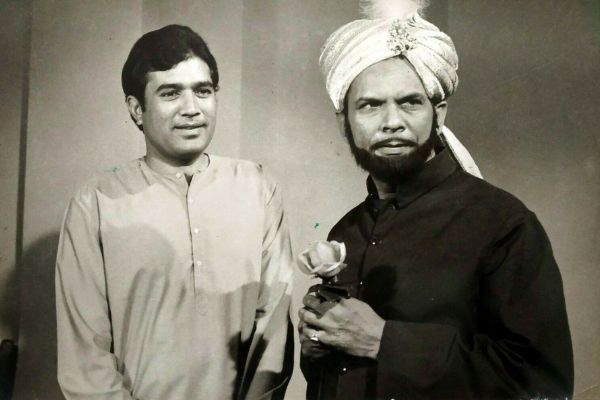
Johnny Walker was born on 11 November 1926. He was the second of ten children in a large family. His early childhood was simple and ordinary. Life changed when his father lost his job. The sudden loss of income placed heavy pressure on the household. With many mouths to feed and no stable source of support, the family faced serious hardship.
In search of better opportunities, they moved to Mumbai. The city offered hope, but survival was not easy. Through his father’s contacts, Johnny secured work as a bus conductor. The job paid him 26 rupees per month. It was modest income, but it helped support the family.
Even during difficult times, Johnny remained cheerful. He approached his work with energy and enthusiasm. His personality stood out. He entertained passengers with witty remarks and playful commentary while issuing tickets. His comic timing was natural. He could mimic popular actors with remarkable accuracy. Passengers often looked forward to rides on his route because of his lively style.
Acting was always on his mind. He believed that if a film director ever noticed him, he might get a chance in cinema. With this hope, he began visiting film studios in his free time. Gradually, he managed to secure small roles in a few films. These appearances were minor, but they kept his dream alive.
During this period, he met Balraj Sahni. Sahni was impressed by Johnny’s humor and expressive personality. Recognizing his potential, he advised him to meet filmmaker Guru Dutt.
When Balraj Sahni introduced Johnny to Guru Dutt, an unusual misunderstanding occurred. Johnny performed an act of a drunk man to display his talent. Guru Dutt initially believed that he had actually consumed alcohol and felt offended. He did not appreciate someone approaching him in that condition.
Johnny quickly clarified that he did not drink. He explained that he was only acting and demonstrating his skill. Once Guru Dutt understood the situation, his reaction changed completely. He was delighted by Johnny’s performance and spontaneity. Impressed by his talent, he embraced him warmly.
That meeting marked a turning point. It opened the doors of cinema for Johnny Walker and set him on the path to becoming one of the Hindi film industry’s most loved comedians.
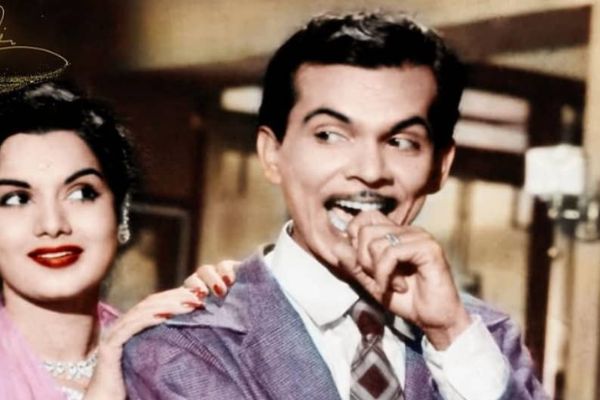
Before he became famous as Johnny Walker, he was known by his birth name, Badruddin Jamaluddin Qazi. That was the name people recognized during his early struggle years in Mumbai. His life changed after he met filmmaker Guru Dutt.
During their first meeting, Johnny acted like a drunk man. Guru Dutt was deeply impressed by how convincingly he portrayed intoxication. Amused by the performance, Guru Dutt gave him the screen name Johnny Walker, inspired by his favourite whisky brand. The name stayed with him for the rest of his career. Johnny accepted it wholeheartedly and built his identity around it.
At that time, Guru Dutt was working on his film Baazi. The film also featured Dev Anand in an early leading role. There was no part originally written for Johnny in the script. However, impressed by his comic skill, Guru Dutt created a separate scene specifically for him. Though Baazi was not Johnny’s first appearance in cinema, it was the film that gave him significant screen presence and recognition. His performance received strong praise, and audiences quickly noticed his talent.
After Baazi, Johnny became a regular presence in Guru Dutt’s films. He appeared in several of the director’s projects, often providing comic relief in emotionally intense narratives. His timing, expressions, and natural delivery of dialogue made him indispensable in many productions.
Ironically, although he frequently played the role of a drunk on screen, Johnny maintained that he never drank alcohol in real life. His portrayal of intoxicated characters was entirely based on observation and acting technique. He took pride in maintaining a clean sense of humour. He avoided vulgar scenes and often stated that the censor board had never removed any of his sequences.
By the 1950s, 1960s, and even into the 1970s, Johnny Walker had become a dependable name in Hindi cinema. Producers believed his presence added commercial value to films. In some cases, his comic scenes became more memorable than those of the lead actors. Among his most celebrated films are Naya Daur, Taxi Driver, Madhumati, and Mr. & Mrs. 55.
He was also known for songs picturized on him. Legendary playback singer Mohammed Rafi sang many popular tracks for Johnny’s characters. Distributors reportedly valued his musical numbers and were willing to pay more to ensure his songs remained in the final cut.
At the height of his career, Johnny worked continuously. Film shoots ran every day. Despite this demanding schedule, he became one of the first supporting actors to take Sundays off to spend time with his family. This was unusual in an industry known for relentless work routines. His decision reflected his commitment to balancing professional success with personal life.
He was also among the earliest actors to popularise taxi-driver slang and street language in films, bringing everyday urban speech to mainstream cinema.
In 1957, a film titled Johnny Walker was released, marking a rare moment when a movie carried the name of a comic actor rather than a traditional hero. The same year, he produced and directed the film Pyaase Log, expanding his role beyond acting.
From Badruddin Jamaluddin Qazi to Johnny Walker, his journey reflects talent, discipline, and a deep understanding of humour. His legacy remains firmly rooted in the golden era of Hindi cinema.
Marriage and later years
In 1955, Johnny Walker married Noorjahan, the sister of actress Shakila. Their marriage took place despite resistance from their families. The two had met during the filming of Aar Paar in 1954. What began as a professional association soon developed into a lasting relationship built on trust and understanding.
Noorjahan’s family reportedly opposed her marriage to Johnny Walker due to a combination of social concerns, professional stigma, and doubts shaped by his public image. Despite the resistance, the couple chose to move forward and get married in 1955.
Film industry stigma
During the 1950s, many traditional families viewed the film industry with suspicion. Acting was not always seen as a stable or respectable profession. Noorjahan’s relatives were reportedly uncomfortable with her marrying someone deeply involved in cinema rather than a man from a more conventional background. Even though her sister Shakila was an established actress, the idea of an on set romance leading to marriage raised concerns within the family.
His comic drunkard screen image
Johnny Walker was widely recognised for playing humorous characters who often appeared drunk or carefree. These roles were popular with audiences but may have shaped how he was perceived off-screen. Noorjahan’s family is said to have questioned whether someone associated with such roles could be a serious and dependable husband. In reality, Johnny Walker was a strict teetotaler who did not consume alcohol. His drunk performances were purely acts built on observation and timing.
Personal caution and family hesitation
Accounts also suggest that Noorjahan herself set certain conditions before agreeing to marry him, including asking him to stop smoking. Family hesitation may have reflected broader caution about a relationship that developed quickly during film production. As the sister of a well-known actress, she was already familiar with the industry’s pressures and uncertainties, which may have made her relatives more protective.
Despite these reservations, the couple chose commitment over criticism. Their marriage endured for decades and was marked by stability and family devotion, ultimately proving that the early doubts did not define their partnership.
Their marriage remained strong over the decades. Together, they had six children, three daughters and three sons. One of their sons, Nasirr Khan, later pursued a career in acting. Johnny was known to be deeply devoted to his family. Having regretted leaving school at an early age due to financial hardship, he placed great importance on education.
He ensured that his sons received higher education in the United States, reflecting his desire to provide them with opportunities he himself had missed.
As the film industry evolved, Johnny began to feel increasingly disconnected from its direction. The style of comedy began to shift toward louder, more suggestive humour. This change stood in sharp contrast to the clean and situational comedy he had practised in films such as Pyaasa and Madhumati. He believed that comedians once played meaningful roles in the narrative, contributing to both emotional depth and a balance in storytelling. Over time, he felt that comic characters were reduced to brief appearances without substance.
The death of his mentor Guru Dutt in 1964 had already left a lasting impact on him. By the 1980s, his appearances on screen had become less frequent. Rather than compromise his principles or adapt to trends he did not support, he gradually stepped away from acting.
Outside the cinema, Johnny turned his attention to business. He became involved in trading precious and semi-precious stones. The venture proved successful and gave him financial stability. It also allowed him to spend more time with his family and live away from the spotlight.
After a nearly 14-year break, he briefly returned to the screen in 1997 with Chachi 420. He accepted the role with hesitation, marking a rare appearance in his later years.
Throughout his life, Johnny remained a devout Muslim and a strict teetotaler. Despite being famous for portraying drunk characters, he never consumed alcohol. His commitment to personal discipline matched the integrity he brought to his performances.
Johnny Walker passed away on 29 July 2003. Over the course of his career, he appeared in more than 300 films. He left behind a legacy defined by clean humour, professional ethics, and dedication to family. His journey reflected resilience, loyalty, and an unwavering adherence to his values.
Death
Johnny Walker’s performance in the 1959 film Madhumati earned him his first Filmfare Award for Best Supporting Actor. Following this, he received the Filmfare Award for Best Comic Actor for the film ‘Shikar.’ Johnny Walker, who made audiences laugh with his acting and various roles, passed away on July 29, 2003. His last screen appearance was in Chahchi 420. Johnny is still alive in the hearts of audiences today thanks to his comedic roles.
Below is the table of Johnny Walker’s movies:
| Year | Movie Title | Character Played | Director | Producer | Lead Opposite Actor |
|---|---|---|---|---|---|
| 1949 | Aakhri Paigham | Minor Role | Unknown | Unknown | Unknown |
| 1951 | Baazi | Drunkard | Guru Dutt | Navketan Films (Dev Anand) | Dev Anand |
| 1952 | Jaal | Fisherman | Guru Dutt | Navketan Films | Dev Anand |
| 1953 | Aas | Supporting Role | Devendra Goel | Vinod Desai | Kamini Kaushal |
| 1953 | Thokar | Supporting Role | Lekhraj Bhakri | Kuldip Pictures | Shammi Kapoor |
| 1954 | Aar Paar | Rustom | Guru Dutt | Guru Dutt | Shyama |
| 1954 | Taxi Driver | Mastana | Chetan Anand | Navketan Films | Dev Anand |
| 1955 | Mr. & Mrs. ’55 | Johny | Guru Dutt | Guru Dutt | Madhubala |
| 1955 | Devdas | Supporting Role | Bimal Roy | Bimal Roy | Dilip Kumar |
| 1955 | Railway Platform | Station Vendor | Ramesh Saigal | Roop K. Shorey | Sunil Dutt |
| 1956 | C.I.D. | Master | Raj Khosla | Guru Dutt | Dev Anand |
| 1956 | Chori Chori | Shayar | Anant Thakur | L.B. Lachman (AVM) | Raj Kapoor |
| 1956 | Choo Mantar | Baiju | M. Sadiq | S. Bannerjee | Shyama |
| 1957 | Pyaasa | Abdul Sattar (Masseur) | Guru Dutt | Guru Dutt | Mala Sinha |
| 1957 | Naya Daur | Journalist | B.R. Chopra | B.R. Chopra | Dilip Kumar |
| 1957 | Johnny Walker | Murli Manohar | Ved-Madan | P.N. Arora | Shyama |
| 1957 | Ek Saal | Supporting Role | Devendra Goel | Goel Cine Corporation | Ashok Kumar |
| 1958 | Madhumati | Charandas | Bimal Roy | Bimal Roy | Dilip Kumar |
| 1958 | Aji Bas Shukriya | Chandu | Mohammed Hussain | Noor | Suresh |
| 1959 | Kaagaz Ke Phool | Rocky | Guru Dutt | Guru Dutt | Waheeda Rehman |
| 1959 | Pehli Raat | Supporting Role | P.L. Santoshi | Santoshi Productions | Rehman |
| 1960 | Mughal-e-Azam | Courtier | K. Asif | K. Asif | Dilip Kumar |
| 1960 | Chaudhvin Ka Chand | Mirza Mashooq | M. Sadiq | Guru Dutt | Guru Dutt |
| 1960 | Ek Phool Char Kaante | Supporting Role | Bhappi Sonie | Bimal Roy | Sunil Dutt |
| 1961 | Chhote Nawab | Captain | S.A. Akbar | Mehmood | Mehmood |
| 1963 | Mere Mehboob | Bindadin | Harnam Singh Rawail | Harnam Singh Rawail | Rajendra Kumar |
| 1963 | Kaun Apna Kaun Paraya | Supporting Role | Niranjan | Niranjan | Vijay Kumar |
| 1964 | Door Ki Awaz | Motilal | Devendra Goel | Devendra Goel | Joy Mukherjee |
| 1966 | Baharen Phir Bhi Aayengi | Jokhu | Shaheed Latif | Guru Dutt | Dharmendra |
| 1966 | Dil Diya Dard Liya | Murlidhar | Abdul Rashid Kardar | Kamal Amrohi | Dilip Kumar |
| 1967 | Night in London | Walter | Brij | Brij Sadanah | Biswajeet |
| 1968 | Shikar | Prakash | Atma Ram | Atma Ram | Dharmendra |
| 1968 | Mere Huzoor | Ghafoor | Vinod Kumar | Malik Chand Kochar | Jeetendra |
| 1969 | Aadmi Aur Insaan | Gulam Rasool | Yash Chopra | B.R. Chopra | Dharmendra |
| 1970 | Gopi | Ramu | A. Bhimsingh | T.S. Muthuswamy | Dilip Kumar |
| 1971 | Anand | Issabhai Suratwala | Hrishikesh Mukherjee | Hrishikesh Mukherjee | Rajesh Khanna |
| 1971 | Hungama | Naseebchand | S.M. Abbas | N.N. Sippy | Kishore Kumar |
| 1974 | Madhosh | Supporting Role | Desh Gautam | Tahir Bhai | Rakesh Roshan |
| 1975 | Pratiggya | Bhiku | Dulal Guha | Bikramjeet Bhullar | Dharmendra |
| 1977 | Tyaag | Supporting Role | Din Dayal Sharma | Din Dayal Sharma | Rajesh Khanna |
| 1980 | Shaan | Renu’s Driver | Ramesh Sippy | G.P. Sippy | Amitabh Bachchan |
| 1983 | Mazdoor | Govind | Ravi Chopra | B.R. Chopra | Dilip Kumar |
| 1985 | Pahunche Huey Log | Aladdin (also Producer) | Johnny Walker | Johnny Walker | Bharti Achrekar |
| 1987 | Mera Karam Mera Dharam | Supporting Role | Dulal Guha | Premji | Dharmendra |
| 1997 | Chachi 420 | Joseph | Kamal Haasan | Kamal Haasan | Kamal Haasan |