
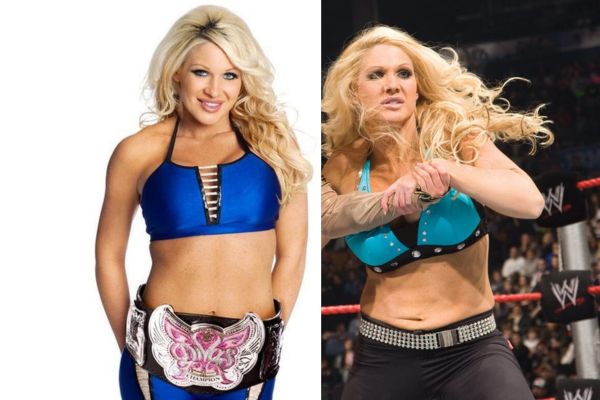
Jillian Hall is a former American professional wrestler, singer, and WWE Diva best known for her long tenure in World Wrestling Entertainment, where she became WWE Divas Champion and played a key role in shaping women’s character-driven storytelling during the Ruthless Aggression Era.
Introduction
Not every wrestling career is built on championships alone. Some are built on reliability, adaptability, and longevity—and Jillian Hall embodied all three. Often underestimated and rarely spotlighted as a headliner, Jillian was one of WWE’s most dependable performers, trusted with evolving roles, comedy segments, and competitive matches across two decades.
Her journey from trained wrestler to character specialist, and eventually to Divas Champion, reflects the realities of women’s wrestling during an era of transition. This biography explores Jillian Hall’s early life, career journey, achievements, challenges, personal life, and lasting legacy.
Quick Facts About Jillian Hall
- Full Name: Jillian Faye Hall
- Ring Name: Jillian Hall
- Date of Birth: September 6, 1980
- Age: 45 (as of 2026)
- Nationality: American
- Profession: Former Professional Wrestler, Singer
- Known For: WWE Divas Championship, long WWE tenure
Early Life & Background
Childhood and Family
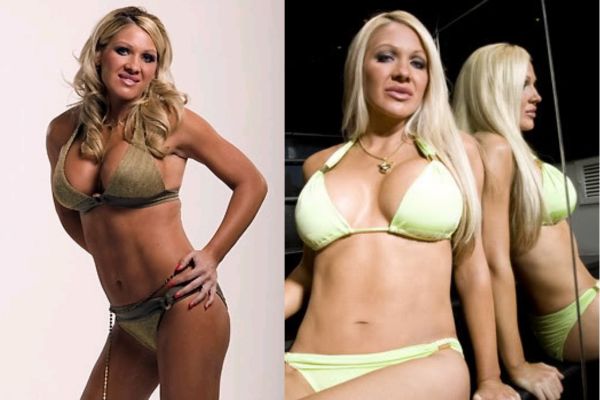
Jillian Faye Hall was born on September 6, 1980, in Ashland, Kentucky. Raised in a modest household, Jillian developed a strong work ethic early in life. Unlike many performers who transitioned from modeling or entertainment, Jillian’s foundation was rooted in professional wrestling training.
Her early exposure to wrestling cultivated respect for the craft long before she reached national television.
Education and Wrestling Influences
Jillian trained under respected wrestling coaches in the independent circuit, gaining technical skills and ring psychology experience that would later separate her from many contemporaries.
Her education in wrestling fundamentals made her adaptable—a quality WWE would later rely on heavily.
Career Journey: From Independent Wrestling to WWE
Early Wrestling Career
Before joining WWE, Jillian competed in independent promotions where she refined her in-ring abilities. These early years emphasized:
- Technical proficiency
- Match structure
- Character adaptability
Unlike many Divas of her era, Jillian entered WWE as a trained wrestler, not a converted model.
Entry into WWE
Jillian joined WWE in the early 2000s. She first appeared in small supporting roles before becoming a full time wrestler. At the beginning, she worked mainly as a manager and background character. Over time, she showed that she could handle different roles with confidence.
WWE saw that she was dependable and adaptable. This made her valuable to the company and helped her stay on the roster as storylines and creative directions changed.
WWE Career Evolution
Character Work and Television Presence
Jillian Hall became well known for her over-the-top singing character. The role focused on strong timing, full commitment, and confident comedy. Some fans reacted differently to the gimmick, but it helped her stand out during a time when many big personalities were competing for attention.
WWE trusted her with segments that needed careful timing and strong crowd interaction. These moments also required professionalism, and she delivered consistently.
Transition to Competitive Wrestling
Despite her comedic role, Jillian never abandoned in-ring competition. She regularly worked matches on Raw, SmackDown, and pay-per-view events, often elevating less-experienced opponents.
Her technical base allowed WWE to rely on her for safe, structured matches.
WWE Divas Championship & Career Peak
Winning the WWE Divas Championship
Jillian Hall achieved her greatest career milestone when she won the WWE Divas Championship. The title victory validated years of reliability and perseverance.
While her reign was brief, it represented recognition of her contribution to WWE’s women’s division.
Role During the Ruthless Aggression Era
Jillian’s career overlapped with WWE’s most transitional period for women’s wrestling. She bridged entertainment-heavy storytelling with credible in-ring performance—often without recognition.
Her presence added stability during a volatile creative era.
Major Achievements & Career Highlights
- WWE Divas Champion
- One of WWE’s longest-tenured female performers
- Known for adaptability across characters and roles
- Trusted performer during multiple creative shifts
Her achievements are best measured in longevity rather than accolades.
Challenges, Criticism & Career Realities
Typecasting and Creative Limitations
Jillian’s character work sometimes overshadowed her wrestling ability. Despite technical skill, she was rarely positioned as a top competitor for extended periods.
This limitation reflected broader systemic issues in women’s wrestling at the time.
Remaining relevant across multiple WWE eras required flexibility. Jillian’s willingness to adapt—rather than resist—extended her career significantly.
Controversies, Criticism, and Creative Constraints
Jillian Hall was not involved in major scandals during her career. There were no public legal issues, backstage fights, or major disputes associated with her name. Instead, the so called controversies connected to her were related to how women were written and used on television during that time.
To understand these issues, it is important to look at the larger context of the era she worked in, rather than focusing on drama or exaggeration.
Jillian Hall’s Initial Gimmick
When Jillian Hall debuted on WWE SmackDown in 2005, she was introduced as a villain. Her character included a large fake facial growth on her cheek. It was presented as a beauty mark, but it was clearly exaggerated for shock value.
According to Hall, the idea came directly from Vince McMahon in later interviews. The goal was to make her instantly recognisable. At the time, she was positioned as the image consultant and on-screen partner of John Bradshaw Layfield, who was known as JBL. She supported him during matches and storylines.
The facial growth became a running joke. Announcers and other wrestlers mocked it on television. It quickly became the most talked-about part of her character. For several months, the gimmick defined her role on the show.
The Feud with The Boogeyman

In late 2005, WWE introduced The Boogeyman. He was portrayed as a strange and frightening figure. He appeared suddenly, carried a clock, and often ate worms during his segments. The character was designed to shock viewers.
His first major storyline targeted JBL and Jillian Hall. Over several weeks on SmackDown, he stalked them. He appeared unexpectedly and tried to scare them during interviews and matches. In one segment, he poured worms down the back of Hall’s skirt. The angle was meant to create discomfort and shock.
The most talked about moment took place on the January 13, 2006 episode of SmackDown during a segment of Piper’s Pit, hosted by Roddy Piper. JBL and Hall were guests on the show.
The Boogeyman interrupted the segment. He slowly entered the ring and approached Hall. In a moment designed purely for shock value, he pretended to inspect the mole, then bit it off her face and ate it on live television. The mole was a prosthetic. Hall screamed, and JBL reacted in panic. The audience responded with a mix of laughter and disgust.
This segment became one of the most controversial visual gags in WWE programming of that era. It is still remembered as one of the more disturbing moments from mid 2000s storylines. After this segment, the mole gimmick ended. Hall no longer wore the prosthetic, and her character moved in a different direction.
The “Comedy Gimmick” Controversy: Talent vs. Typecasting
Jillian Hall is best remembered by casual fans for her intentionally bad-singing gimmick, a character that elicited loud crowd reactions but also became a double-edged sword.
Why was it controversial?
- Jillian was formally trained as a wrestler, unlike many of her contemporaries.
- Despite her technical ability, she was repeatedly placed in comedic, non-competitive roles.
- Critics argued that the gimmick undermined her credibility as an athlete.
Among wrestling fans and analysts, this led to ongoing debate:
Was Jillian being showcased creatively—or sidelined behind a caricature?
While WWE valued her reliability and timing, the gimmick often overshadowed her wrestling skills, limiting her upward mobility in the division.
Divas Era Criticism: A Product of the System
Another major point of controversy tied to Jillian Hall was her association with the Divas Era itself—a period often criticised in retrospect for prioritising appearance and entertainment over athletic competition.
Jillian became a frequent example in online discourse because:
- She had the skill set to wrestle longer, more technical matches.
- WWE creative rarely positioned her as a serious long-term contender.
- Her Divas Championship reign was brief, reinforcing the perception of underutilization.
Fans later questioned whether Jillian’s career would have unfolded differently had she debuted in the post–Women’s Revolution era.
Championship Reign Debate
When Jillian Hall won the WWE Divas Championship, reactions were mixed.
Supporters argued:
- The title was long overdue for recognition.
- Her longevity and professionalism justified the win.
Critics argued:
- The reign lacked strong storytelling.
- WWE failed to capitalise on the momentum.
- She was not given sufficient time to reestablish herself as a dominant competitor.
This fueled broader criticism of WWE’s handling of women’s championships at the time—where titles often felt secondary to non-wrestling storylines.
Perception of “Enhancement Talent”
Another recurring criticism—often unfair—was the perception of Jillian Hall as an enhancement talent (a wrestler used to elevate others).
While Jillian frequently lost matches, insiders and seasoned fans recognized that:
- She was trusted to work safely with less-experienced performers.
- She made opponents look credible.
- WWE relied on her consistency rather than pushing her as a star.
This created a disconnect between industry respect and fan perception, which some interpreted as creative injustice rather than lack of ability.
Feuds with Other WWE Divas
Jillian Hall spent much of her WWE career positioned in the middle of the women’s division—rarely the focal point, but consistently involved in feuds that helped advance storylines and elevate other talent. Her rivalries were shaped by the creative realities of the Divas Era, blending comedy, character work, and competitive matches.
Rather than long, deeply layered feuds, Jillian’s rivalries were often functional and transitional, designed to support champions, introduce new stars, or add variety to weekly television.
Feud with Melina: Outsider vs. Champion
One of Jillian Hall’s most notable rivalries was with Melina, a dominant presence in the women’s division during the mid-to-late 2000s.
Storyline dynamics:
- Melina was positioned as an arrogant, established champion
- Jillian was portrayed as the persistent challenger and agitator
- The feud leaned heavily on character contrast rather than long-term storytelling
While Jillian was rarely presented as a serious threat to Melina’s dominance, their matches served to reinforce Melina’s status while keeping Jillian visible in the title picture. Critics later argued that Jillian’s wrestling ability could have supported a more competitive rivalry had creative direction allowed it.
Feud with Mickie James: Comedy vs. Credibility
Jillian’s interactions with Mickie James highlighted the tension between character-driven entertainment and in-ring credibility.
Key elements of the feud:
- Jillian’s exaggerated singing persona clashed with Mickie’s babyface appeal
- Segments often blended humor with short competitive matches
- Jillian played the antagonist whose role was to frustrate and provoke
Although Mickie James was clearly positioned above Jillian on the card, the feud demonstrated WWE’s reliance on Jillian to make segments memorable while maintaining match structure.
Feud with Beth Phoenix: Power vs. Personality
When paired with Beth Phoenix, Jillian Hall often found herself cast as the underdog.
Why this feud mattered:
- Beth Phoenix represented the rise of physically dominant women in WWE
- Jillian’s role emphasized vulnerability and character contrast
- Matches showcased Beth’s strength while relying on Jillian’s timing and selling
This rivalry underscored Jillian’s utility as a performer who could make emerging powerhouses look dominant without sacrificing match flow.
Feud with Michelle McCool: Title Aspirations and Undercard Reality
Jillian’s feud with Michelle McCool occurred during a transitional period for the women’s division, as WWE experimented with athletic presentation while still relying on established tropes.
Highlights:
- Jillian challenged McCool during periods of title contention
- The rivalry remained short and episodic
- Jillian’s losses reinforced McCool’s championship positioning
Fans later viewed this feud as another missed opportunity for Jillian to reestablish herself as a credible long-term competitor.
Multi-Diva Rivalries and Tag Conflicts
Beyond individual feuds, Jillian Hall frequently participated in multi-woman matches, tag team rivalries, and rotating storylines involving several Divas.
These included:
- Tag matches designed to build champions
- Survivor Series–style elimination matches
- Backstage segments that advanced broader division narratives
In these scenarios, Jillian often acted as the narrative glue, ensuring continuity between rivalries rather than anchoring one herself.
Why Jillian’s Feuds Were Different
Jillian Hall’s feuds rarely revolved around deeply personal grudges or long-term dominance. Instead, they reflected WWE’s trust in her to:
- Adapt to any opponent
- Enhance storyline momentum
- Absorb losses without harming division credibility
Her rivalries were less about personal elevation and more about supporting the ecosystem of the women’s division.
Retrospective View
In hindsight, Jillian Hall’s feuds are often reassessed not for what they achieved—but for what they reveal about the era. She consistently worked with top names, yet was rarely allowed to anchor rivalries herself.
That pattern has become part of her legacy:
a dependable professional whose feuds quietly shaped the division, even when she was not positioned at its center.
Absence of Personal or Backstage Scandals
It is important to note what was not controversial about Jillian Hall:
- No verified backstage heat
- No public disputes with WWE management
- No legal issues or public misconduct
- No reputation for unprofessional behavior
In an industry often marked by turbulence, Jillian’s clean professional record stands out.
Retrospective Reassessment
In later years, as women’s wrestling evolved and standards changed, Jillian Hall’s career has been re-evaluated more positively. Many fans now view her not as a controversial figure—but as a missed opportunity, constrained by timing rather than talent.
What once looked like creative stagnation is now understood as systemic limitation.
Overall Assessment
Jillian Hall’s controversies were not personal—they were institutional.
They highlight:
- The creative ceilings placed on women during her era
- The gap between skill and opportunity
- The cost of adaptability in a rigid system
Rather than scandal, her story sparks a deeper conversation about how professionalism, versatility, and patience are sometimes undervalued in sports entertainment history.
In that sense, Jillian Hall’s controversies are less about wrongdoing—and more about what might have been.
Personal Life
Relationships and Privacy
Jillian Hall has kept much of her personal life private. There is no widely publicized information regarding marriage or children, reflecting her preference for separation between professional and private life.
Life After Wrestling
After leaving WWE, Jillian stepped away from full-time wrestling and entertainment. She focused on personal fulfillment and life outside the spotlight—an intentional departure from public scrutiny.
Net Worth & Income Overview
Jillian Hall’s exact net worth is not publicly disclosed. Her earnings historically came from:
- WWE contracts and appearances
- Merchandise and promotional work
- Independent wrestling appearances
Her financial success was built on consistency rather than peak stardom.
Public Image, Influence & Legacy
An Underrated Contributor
Jillian Hall is often described as one of WWE’s most underrated Divas. Her ability to perform any role—comedy, enhancement, or competition—made her invaluable behind the scenes.
Legacy in Women’s Wrestling
While not part of WWE’s modern Women’s Revolution, Jillian’s professionalism and training helped sustain the division during difficult years.
Her legacy lies in reliability, not headlines.
Where Is Jillian Hall Now?
Jillian Hall has largely stepped away from professional wrestling. She does not actively seek public attention and appears content with life beyond WWE, occasionally resurfacing in retrospectives and fan discussions.
Lesser-Known Facts About Jillian Hall
- She entered WWE as a trained wrestler.
- Jillian worked under multiple gimmicks during her career.
- Her singing character required precise comedic timing.
- She often helped less-experienced talent during matches.
- Jillian rarely missed scheduled appearances.
- Her championship win surprised many fans.
FAQs About Jillian Hall
Who is Jillian Hall?
Jillian Hall is a former WWE Diva and Divas Champion known for longevity and character versatility.
How old is Jillian Hall?
She was born on September 6, 1980, making her 45 years old as of 2026.
What title did Jillian Hall win in WWE?
She won the WWE Divas Championship.
Was Jillian Hall a trained wrestler?
Yes, she had formal wrestling training before joining WWE.
Why did Jillian Hall leave WWE?
Creative changes and personal priorities led to her departure.
What is Jillian Hall doing now?
She lives a private life away from professional wrestling.
Conclusion
Jillian Hall’s career is a testament to durability and professionalism in an industry driven by visibility. While never positioned as the face of the division, she played a vital role in sustaining WWE’s women’s wrestling through one of its most uneven eras.
Her story reminds fans that not all legacies are loud—some are foundational.