

Sulakshana Pandit was born on July 12, 1954, in Raigarh, Chhattisgarh. She became a familiar name during Bollywood’s golden period. As both a playback singer and actress, she built a career that stood out in the 1970s and early 1980s.
She first gained attention for her singing talent. Her voice carried emotion and clarity, which helped her connect with listeners. One of her major milestones came with the film Sankalp, in which her song earned critical acclaim and a Filmfare Award. That achievement strengthened her place in the music industry.
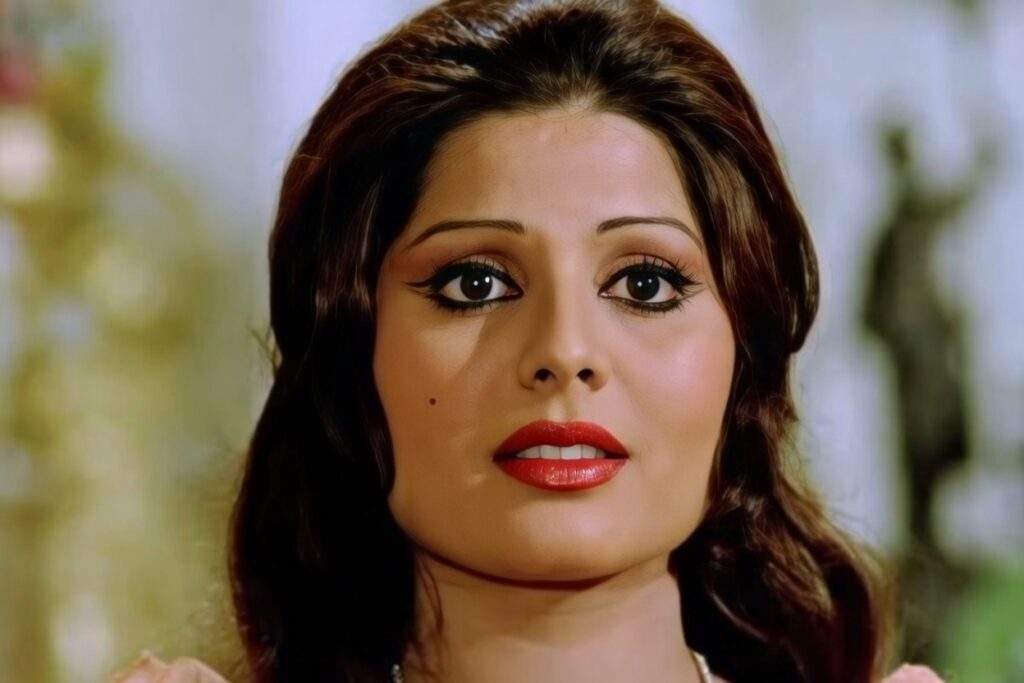
Alongside singing, she stepped into acting. She appeared opposite the leading actors of the time, including Sanjeev Kumar. Her performances reflected confidence and sincerity, helping her build a steady presence on screen.
Her journey included success, emotional challenges, and personal setbacks. Yet she remained committed to her craft. This biography explores her early musical training, her years in cinema, the personal struggles she faced, and the resilience that defined her life and career through the decades.
Early Life and Musical Heritage
A Family Steeped in Music
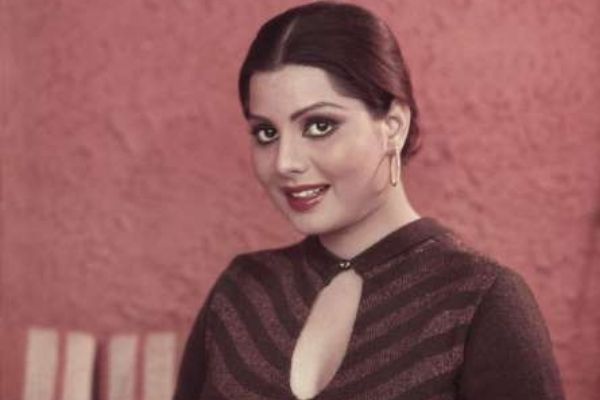
Sulakshana Pandit was born into a musically rich family from Pilimandori village, now in Fatehabad, Haryana. Her father, Pratap Narain Pandit, was a revered classical vocalist, and her uncle, Pandit Jasraj, a legendary figure in Indian classical music, earned the Padma Bhushan. Growing up in Raigarh, Sulakshana was surrounded by melodies, shaping her destiny as a singer and performer.
Childhood in Calcutta
At age nine, Sulakshana’s talent shone in Calcutta, where she performed at a function attended by Dilip Kumar. Impressed, he urged her father to take her to Mumbai for better prospects. This pivotal moment marked the beginning of her journey to stardom, though it came with challenges.
Sibling Bonds and Early Struggles
The eldest of seven siblings, Sulakshana shouldered family responsibilities early. Her brothers, Mandheer, Jatin, and Lalit Pandit, and sisters, Maya, Sandhya, and Vijayta, shared her musical lineage. When her father left, Sulakshana became the breadwinner, a role that defined her resilience. Her brother Mandheer, a tabla player, accompanied her in early performances.
Table: Sulakshana Pandit Personal Details
| Attribute | Details |
|---|---|
| Full Name | Sulakshana Pratap Narain Pandit |
| Date of Birth | July 12, 1954 |
| Place of Birth | Raigarh, Chhattisgarh, India |
| Date of Death | Date of Death |
| Cause of Death | Cardiac Arrest |
| Parents | Pratap Narain Pandit (Father), Unknown (Mother) |
| Siblings | Mandheer, Jatin, Lalit (Brothers); Maya, Sandhya, Vijayta (Sisters) |
| Education | Basic schooling in Calcutta; trained in classical music by father |
| Height | Approx. 5 ft 4 in |
| Languages Sung | Hindi, Bengali, Marathi, Oriya, Gujarati |
| Notable Relatives | Pandit Jasraj (Uncle), Jatin-Lalit (Brothers), Vijayta Pandit (Sister) |
The Spark of a Singing Career
Child Prodigy: Taqdeer (1967)
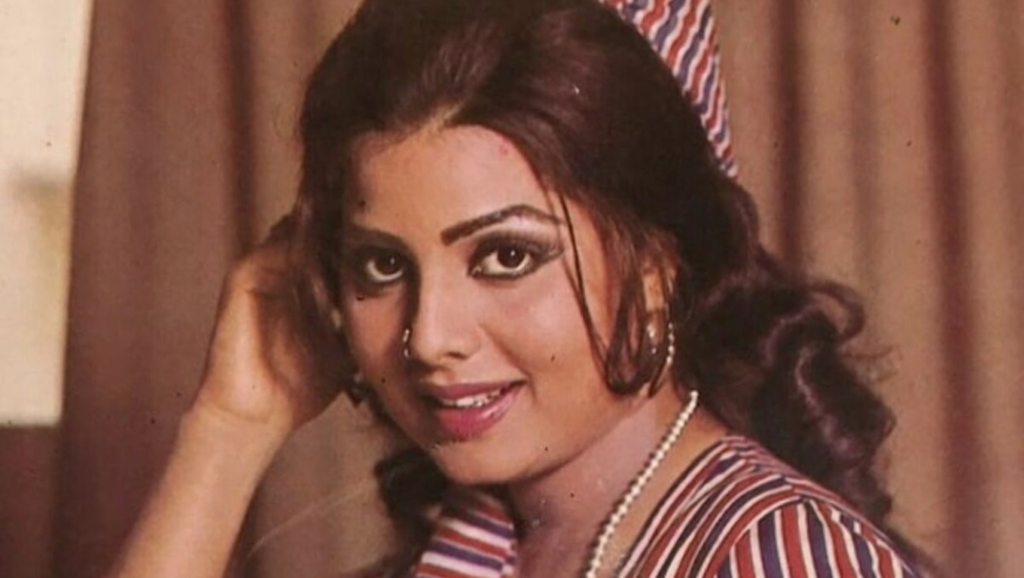
Sulakshana’s voice first graced Bollywood in Taqdeer (1967), where she sang “Saat Samundar Paar Se” alongside Lata Mangeshkar at age 13. The duet, composed by Laxmikant-Pyarelal, was a hit, marking her entry as a child singer. Her classical training under her father gave her a unique edge.
Early Performances with Legends
In Mumbai, Sulakshana and Mandheer performed at live concerts with icons like Kishore Kumar and Mohammed Rafi. These stage shows honed her skills and built her reputation. By her teens, she was a sought-after talent, performing in multiple languages, including Hindi and Bengali.
Breakthrough with Kishore Kumar
Kishore Kumar played a pivotal role, giving Sulakshana her first major playback opportunity in Door Ka Rahi (1971). The song “Beqarar Dil Tu Gaye Ja,” where she sang two antaras to Kishore’s one, became a sensation. Kishore’s encouragement also led her to explore acting, a turning point in her career.
Acting Debut and Rise to Fame
Uljhan (1975): A Bold Beginning
Sulakshana made her acting debut in the suspense thriller Uljhan (1975), opposite Sanjeev Kumar. Playing a pivotal role in a murder mystery, she showcased her natural acting flair. The film’s success, coupled with her duet “Aaj Pyare Pyare Se Lagte Hain,” established her as a dual talent.
Sankoch (1976): A Literary Triumph
In Anil Ganguly’s Sankoch (1976), a remake of Parineeta, Sulakshana portrayed Lolita. Her performance, infused with emotional depth, was lauded. The song “Bandhi Re Kahe Preet” became a classic, cementing her status as a singer-actress who could elevate any role.
Filmfare Glory: Sankalp (1975)
Sulakshana’s rendition of “Tu Hi Sagar Hai Tu Hi Kinara” in Sankalp (1975) won her the Filmfare Award for Best Female Playback Singer. Playing a poojaran, she sang and acted in the film, a rare feat. The song, composed by Khayyam, remains a timeless gem.
The Golden Years: 1976–1981
Blockbusters with Top Stars
Sulakshana Pandit starred opposite Bollywood’s biggest names—Jeetendra, Rajesh Khanna, Vinod Khanna, Shashi Kapoor, and Amitabh Bachchan. Films like Hera Pheri (1976), Apnapan (1977), and Khandaan (1979) were commercial hits, showcasing her versatility in drama and romance.
Bengali Cinema: Bandie (1978)
In 1978, Sulakshana ventured into Bengali cinema with Bandie, opposite Uttam Kumar. Playing a princess in a historical drama, she captivated audiences. Her ability to sing in Bengali added authenticity, making the film a notable entry in her filmography.
Musical Milestones
Sulakshana’s voice graced films like Thodisi Bewafai (1980) with “Mausam Mausam Lovely Mausam” and Ahista Ahista (1981) with “Mana Teri Nazar Mein.” She collaborated with music directors such as Shankar-Jaikishan, Laxmikant-Pyarelal, and Bappi Lahiri, creating chart-topping hits.
Table: Key Films of Sulakshana Pandit (1975–1981)
| Year | Film | Role | Co-Star | Director | Notes |
|---|---|---|---|---|---|
| 1975 | Uljhan | Unnamed | Sanjeev Kumar | Raghunath Jhalani | Debut film; sang duet “Aaj Pyare Pyare Se Lagte Hain.” |
| 1975 | Sankalp | Poojaran | Sanjeev Kumar | Ramesh Saigal | Filmfare Award for Best Female Playback Singer. |
| 1976 | Sankoch | Lolita | Jeetendra | Anil Ganguly | Based on Parineeta; sang “Bandhi Re Kahe Preet.” |
| 1976 | Hera Pheri | Asha | Vinod Khanna | Prakash Mehra | Commercial hit; supporting role. |
| 1977 | Apnapan | Radha | Jeetendra | J. Om Prakash | Family drama; box office success. |
| 1978 | Bandie | Princess | Uttam Kumar | Alo Sircar | Bengali film; critical acclaim. |
| 1979 | Khandaan | Unnamed | Jeetendra | Anil Ganguly | Commercial success; supporting role. |
| 1981 | Waqt Ki Deewar | Unnamed | Sanjeev Kumar | Ravi Tandon | Action drama; moderate success. |
International Stage and Musical Legacy
Royal Albert Hall Performance (1986)
In 1986, Sulakshana performed at London’s Royal Albert Hall for the Festival of Indian Music, alongside Laxmikant-Pyarelal and singers like Anuradha Paudwal. Her ghazals and film songs mesmerised the audience, marking a high point in her singing career.
Ghazal Album: Jazbaat (1980)
Sulakshana released her ghazal album Jazbaat with HMV in 1980, showcasing her versatility beyond film music. The album, featuring soulful renditions, was well-received, adding a new dimension to her musical repertoire.
Last Musical Contribution
Her final notable contribution was an alaap in “Saagar Kinare Bhi Do Dil” from Khamoshi: The Musical (1996), composed by her brothers Jatin-Lalit. Though brief, it reflected her enduring vocal prowess.
Personal Struggles and Heartbreak
Unrequited Love for Sanjeev Kumar
Sulakshana’s love for Sanjeev Kumar, her co-star in seven films, is a poignant chapter. During Uljhan (1975), she fell deeply in love and proposed marriage. Sanjeev, heartbroken over Hema Malini’s marriage to Dharmendra, declined. His decision left Sulakshana devastated, and she chose to remain unmarried.
Sanjeev Kumar’s Death
Sanjeev’s death in 1985 from a heart attack at age 47 shattered Sulakshana. Already grappling with a declining career, she slipped into depression. Her sister Vijayta later shared, “She was broken when Sanjeevji passed away,” highlighting the depth of her grief.
Financial and Health Challenges
By the early 2000s, Sulakshana faced financial ruin, living in a dilapidated flat. In 2005, Jeetendra facilitated its sale, easing her debts. A hip injury from a fall required multiple surgeries, limiting her mobility. Vijayta and her husband, Aadesh Shrivastava, supported her recovery until Aadesh’s death in 2015.
Controversies and Misconceptions
Mental Health Speculations
Media reports in the 2000s claimed Sulakshana suffered a mental breakdown, labelling her “unstable.” Vijayta clarified, “She was suffering from depression, not madness.” These exaggerations hurt Sulakshana, who withdrew from public life and sought solace in her music.
Family Dynamics
Sulakshana expressed disappointment that her brothers, Jatin and Lalit, didn’t offer her any playback opportunities in their films. While she valued their support, this perceived oversight strained relations. Despite this, Jatin-Lalit’s success in Bollywood was partly inspired by her trailblazing efforts.
Sandhya Singh’s Tragic Murder
In 2012, Sulakshana’s sister Sandhya Singh was murdered, with her son Raghuveer implicated. The high-profile case drew media attention, indirectly affecting Sulakshana, who was already reclusive. Vijayta’s public statements about the tragedy underscored the family’s pain.
Later Years: 1987–2025
Career Decline
Sulakshana’s last acting role was in Do Waqt Ki Roti (1987). Her insistence on singing her own songs limited offers, as producers preferred established singers like Lata Mangeshkar. By the late 1980s, she faded from the spotlight, focusing on personal recovery.
Living with Vijayta
Since 2006, Sulakshana has lived with Vijayta in Mumbai. Despite health challenges, she finds joy in listening to her old songs. Vijayta, now her primary caregiver, ensures her comfort, reflecting their unbreakable bond.
Recent Recognition
In 2024, Lalit Pandit celebrated Sulakshana’s 70th birthday, calling her a “mother and sister” who paved the way for Jatin-Lalit’s success. A 2023 Apple Music compilation, Actress Sulakshana Pandit Sings, rekindled interest in her music and introduced her to new listeners.
Lesser-Known Facts
- Dilip Kumar’s Mentorship: Dilip Kumar’s encouragement at age nine was a catalyst for Sulakshana’s move to Mumbai, a lesser-known but defining moment.
- Multilingual Singer: She sang in Hindi, Bengali, Marathi, Oriya, and Gujarati, a rare feat for her era, showcasing her versatility.
- Stage Performer: Sulakshana’s live concerts with Kishore Kumar and Rafi were sell-outs, yet she rarely discussed this phase publicly.
- Classical Roots: Trained in the Mewati Gharana, her classical grounding enriched her playback singing, earning praise from Pandit Jasraj.
- Reclusive Lifestyle: Post-2000, Sulakshana avoided the media, preferring a quiet life, making her current whereabouts a mystery to many fans.
Sulakshana’s Legacy and Impact
A Trailblazer for Singer-Actresses
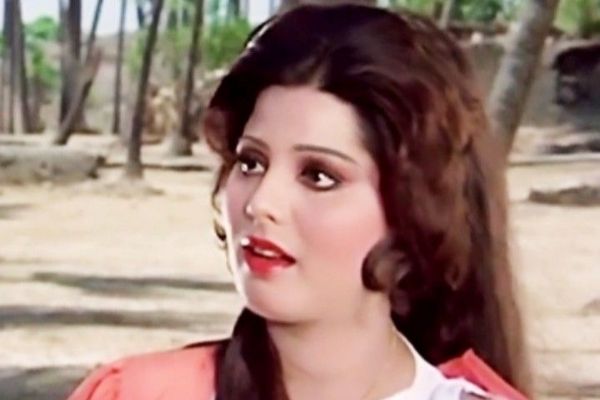
Sulakshana’s dual career as a singer and actress was groundbreaking. Her Filmfare win and roles in hits like Hera Pheri inspired later talents like Mamta Mohandas. Her insistence on singing her own songs challenged industry norms, leaving a lasting mark.
Cultural Resonance
Songs like “Tu Hi Sagar Hai” and “Mausam Mausam” remain beloved, evoking nostalgia for Bollywood’s golden era. Her ghazals in Jazbaat showcased her depth, appealing to connoisseurs of Indian music.
Inspiration Amid Adversity
Sulakshana’s resilience—overcoming heartbreak, financial woes, and health issues—makes her a symbol of strength. Her story resonates with fans, particularly women navigating personal and professional challenges.
FAQs
What is Sulakshana Pandit’s most famous song?
“Tu Hi Sagar Hai Tu Hi Kinara” from Sankalp (1975) is her most famous, earning her a Filmfare Award.
Did Sulakshana Pandit ever marry?
No, she remained unmarried after Sanjeev Kumar declined her marriage proposal, choosing to focus on her family and career.
Why did Sulakshana Pandit’s career decline?
Her insistence on singing her own songs and competition from established singers like Lata Mangeshkar reduced offers, leading to her exit by 1987.
Is Sulakshana Pandit still active in the industry?
No, she has been reclusive since the late 1980s, living with her sister Vijayta and focusing on personal recovery.
What health issues has Sulakshana Pandit faced?
She battled depression and a hip injury requiring multiple surgeries, which limited her mobility. She continues to manage these challenges.
Sulakshana Pandit’s Death
Sulakshana Pandit’s death in 2025 marked the end of a deeply emotional journey. She had once been a well-known face in Hindi cinema and a respected singer, but she spent much of her later life away from the public eye.
Sulakshana Pandit reportedly died of cardiac arrest in Mumbai at about 71 years old. She had complained of breathlessness while being taken to Nanavati Hospital.
After her passing, many people paid tribute to her work. They remembered her roles in films such as Uljhan, Hera Pheri, Khandaan, Sankoch, and Chehre Pe Chehra. They also praised her as a talented playback singer.
Some of her popular songs include Tu Hi Saagar Hai Tu Hi Kinara, Pardesiya Tere Desh Mein, Bekarar Dil Tut Gaya, and Bandhi Re Kahe Preet.
Colleagues and fans described her as a rare talent who balanced acting and music with ease. She came from a respected musical family. Her uncle was Pandit Jasraj, and her brothers, Jatin and Lalit, became well-known composers.
Many tributes also spoke about the more painful parts of her life. Writers recalled her unrequited love for Sanjeev Kumar and how his early death deeply affected her. The death of her mother added to her grief. Over time, she slowly stepped away from films and public life. She never married. Reports suggest that these personal losses, along with a decline in her career, caused great emotional distress and led her into long periods of isolation.
Her story has often been described as a reminder of how quickly fame can fade in the film industry. She had once worked with leading stars like Rajesh Khanna, Shashi Kapoor, and Vinod Khanna. Yet later, she lived quietly and largely out of sight.
After Sulakshana Pandit’s death, many writers and fans have looked back at her work with renewed respect. Her songs from the 1970s are now remembered as lasting treasures of Hindi cinema. Her performances in family dramas and thrillers are often mentioned in discussions about underrated actresses of that era.
Younger audiences are discovering her through old songs and television reruns. Older fans remember her as a once-celebrated actress and singer whose personal struggles overshadowed her fame. Her legacy remains both artistically important and deeply emotional.