
Sonya Deville is one of the most distinctive and resilient figures in modern professional wrestling. Known for blending legitimate mixed martial arts credibility with compelling on-screen authority, she has carved a unique identity in WWE as both a competitor and a power-wielding executive character. Beyond the ring, Deville is widely respected for her advocacy, courage, and openness about her personal life, making her a trailblazer for representation in global sports entertainment.
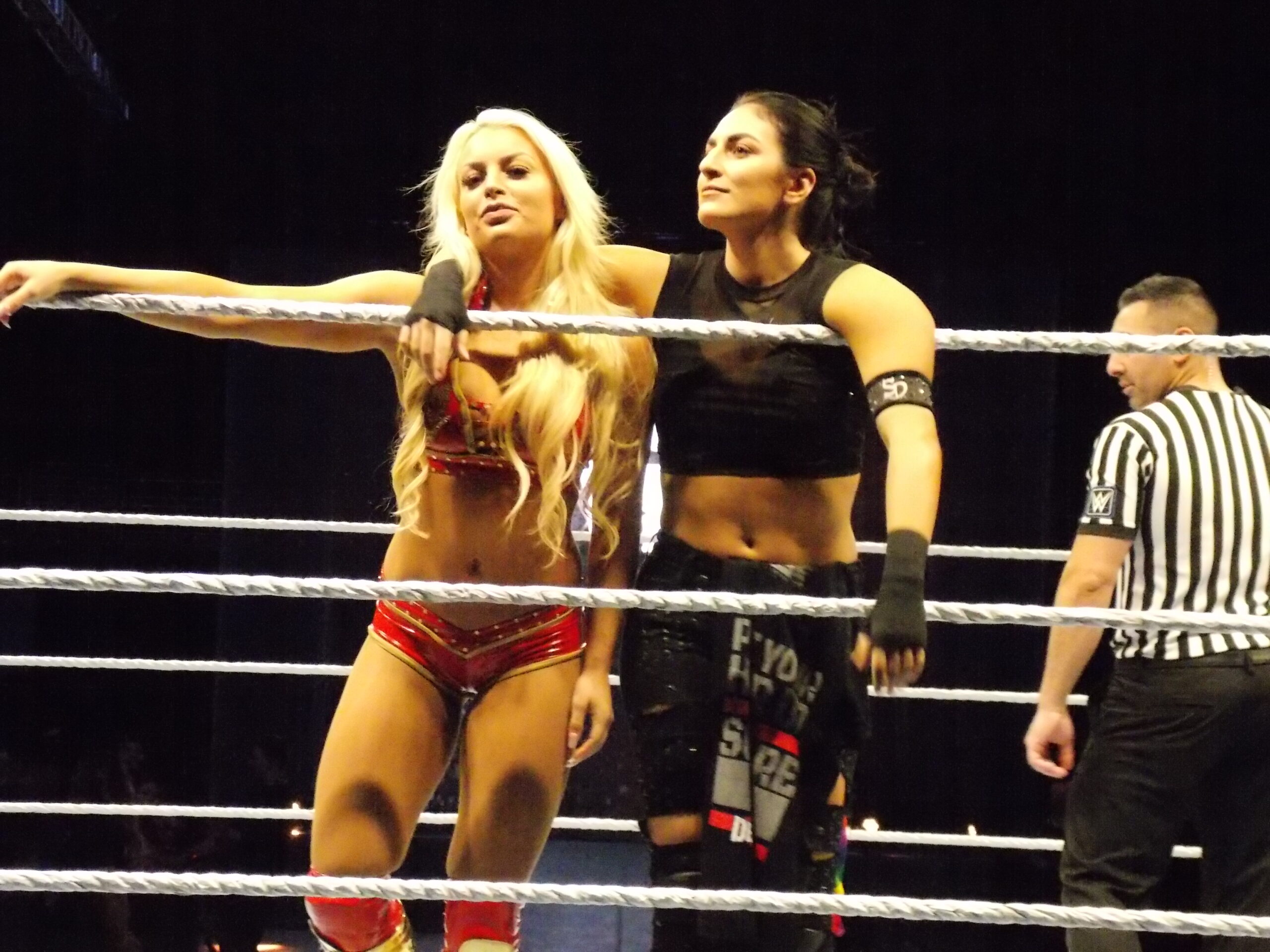
This exhaustive biography explores Sonya Deville’s early life, athletic roots, rise through WWE, major storylines, setbacks, achievements, personal beliefs, public image, and long-term impact—along with quick facts and reader FAQs.
Quick Facts: Sonya Deville
| Field | Details |
|---|---|
| Real Name | Daria Rae Berenato |
| Ring Name | Sonya Deville |
| Date of Birth | September 24, 1993 |
| Age | 32 (as of 2026) |
| Birthplace | Shamong Township, New Jersey, USA |
| Nationality | American |
| Profession | Professional Wrestler, MMA Practitioner |
| Wrestling Debut | 2015 |
| WWE Brand(s) | NXT, Raw, SmackDown |
| Height | 5 ft 7 in (170 cm) |
| Weight | Approx. 130 lbs (59 kg) |
| Fighting Style | MMA-based / Striker |
| Sexual Orientation | Lesbian (publicly stated) |
| Relationship Status | Married |
| Spouse | Toni Cassano |
| Known For | WWE career, LGBTQ+ advocacy, MMA-based wrestling style |
| Active Years | 2015–present |
Early Life and Family Background
Born Daria Rae Berenato in rural New Jersey, Sonya Deville grew up in a disciplined, working-class household. From a young age, she demonstrated a strong inclination toward physical competition rather than conventional team sports. Her family environment encouraged resilience, independence, and mental toughness—qualities that would later define her professional identity.
Unlike many future wrestlers who grew up idolizing WWE superstars, Deville’s earliest inspirations came from combat sports. She was drawn to realism, discipline, and the raw intensity of fighting, which ultimately shaped her in-ring persona years later.
Education and Athletic Foundations
Sonya Deville attended local schools in New Jersey and excelled academically while simultaneously training in combat disciplines. As a teenager, she discovered mixed martial arts (MMA), quickly committing herself to intense training routines that included:
- Brazilian Jiu-Jitsu
- Muay Thai
- Amateur boxing
- Submission grappling
Her MMA background was not merely recreational. Deville competed in amateur bouts and developed legitimate striking technique, footwork, and fight psychology—assets that would later separate her from many peers in professional wrestling.
Transition from MMA to Sports Entertainment
While MMA offered authenticity, professional wrestling offered storytelling, performance, and global visibility. Recognizing WWE’s growing interest in athletes with combat sports backgrounds, Deville auditioned for WWE Tough Enough in 2015.
Though she did not win the competition, her charisma, intensity, and credibility left a lasting impression on WWE executives.
WWE Signing and NXT Development
Following Tough Enough, Sonya Deville signed a developmental contract with WWE and reported to the NXT Performance Center in Orlando, Florida. There, she underwent rigorous training in:
- Professional wrestling fundamentals
- Character development
- Promo delivery
- Television performance
Her MMA-infused offense—featuring stiff kicks, knee strikes, and submission holds—quickly became her defining trademark.
Rise of Fire & Desire: Partnership with Mandy Rose
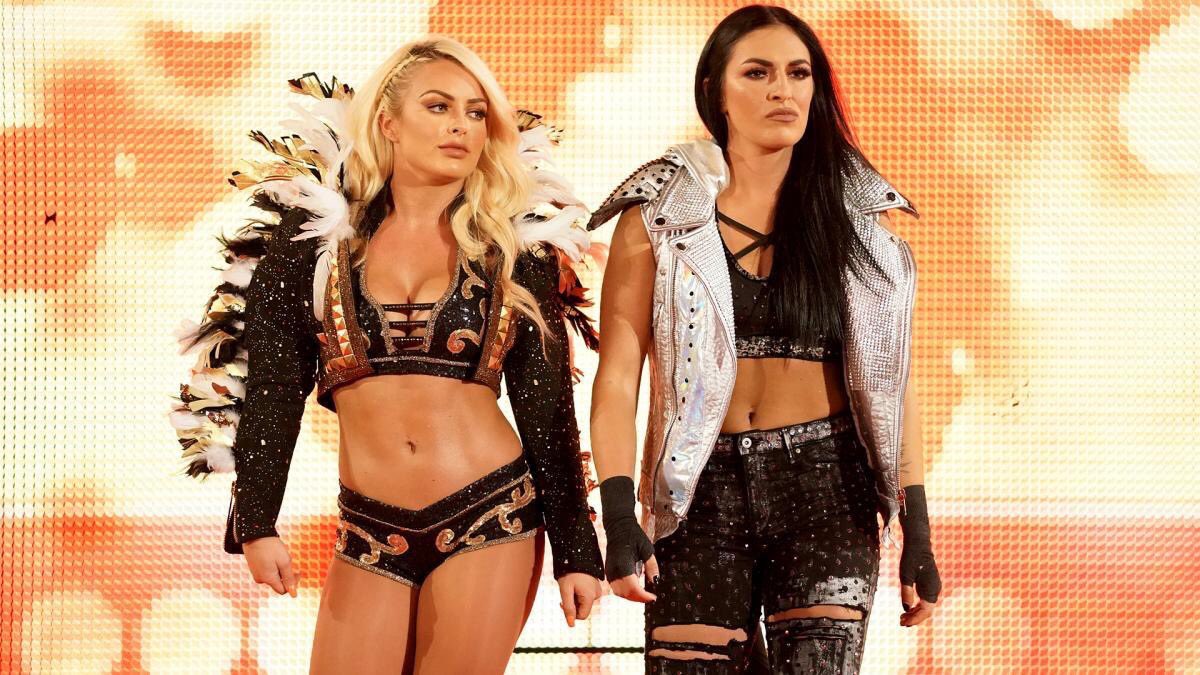
Deville’s career trajectory changed significantly when she was paired with Mandy Rose. The duo formed the tag team Fire & Desire, debuting on the main roster in 2017.
Significance of Fire & Desire
- Balanced glamour (Rose) with grit (Deville)
- Featured prominently on Raw and SmackDown
- Became a central fixture in WWE’s women’s division
While championships eluded them, Fire & Desire gave Deville consistent television exposure and narrative depth.
Public Coming Out and Cultural Impact

Sonya Deville made history by becoming WWE’s first openly lesbian female wrestler to come out while actively competing. Her announcement was met with overwhelming support from fans and fellow performers. She married Toni Cassano in 2024 after several years together.
Why It Mattered
- Expanded LGBTQ+ visibility in professional wrestling
- Challenged outdated stereotypes in combat sports
- Cemented Deville as a role model beyond wrestling
Her openness became part of her public identity, though WWE wisely avoided reducing her character solely to her sexuality.
Breakup, Betrayal, and Career-Defining Storyline
The dissolution of Fire & Desire marked a turning point. A heated rivalry between Deville and Rose culminated in a Loser Leaves WWE match at SummerSlam 2020.
Though Deville lost and temporarily exited WWE television, the storyline elevated her as a serious, dramatic performer capable of complex emotional storytelling.
Real-Life Trauma and Hiatus
In August 2020, Deville survived a highly publicized home invasion and attempted kidnapping. The incident deeply affected her personally and professionally.
WWE granted her extended time off, prioritizing her safety and recovery. The way Deville handled the aftermath—with composure and courage—earned widespread admiration.
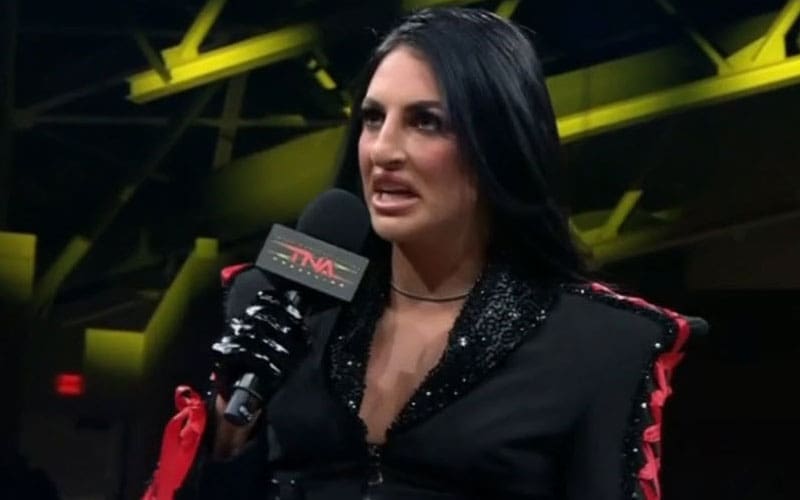
Return as WWE Authority Figure

Sonya Deville returned to WWE in a bold new role: an on-screen authority figure, often aligned with Adam Pearce. This character showcased:
- Assertiveness and power
- Sharp promo skills
- Psychological control rather than brute force
The role marked a rare creative evolution for a female performer and demonstrated WWE’s confidence in her leadership presence.
In-Ring Comeback and Singles Push
Eventually transitioning back into active competition, Deville adopted a more ruthless, stripped-down presentation. Her matches emphasized:
- Legitimate submissions
- Targeted limb work
- MMA realism
She became a credible singles threat and an asset across multiple brands.
Wrestling Style and Persona
In-Ring Style
- Hybrid MMA–professional wrestling
- Heavy striking offense
- Submission-based finishes
Character Traits
- No-nonsense
- Dominant
- Strategically intelligent
Her presentation appeals to fans who prefer realism over spectacle.
Sonya Deville vs Trish Stratus: The Match That Defined Respect, Ruthlessness, and WWE’s Generational Divide

The singles match between Sonya Deville and Trish Stratus stands as one of the most symbolically important non-title women’s matches in modern WWE history. Though not remembered for a championship stipulation, the bout carried immense narrative, generational, and reputational weight, serving as a litmus test for WWE’s evolving women’s division.
Below is a deep, authoritative breakdown of the feud, the match itself, backstage context, fan reaction, and its long-term significance in Sonya Deville’s career.
Background: Why This Match Mattered
When Trish Stratus—arguably the most influential female wrestler of WWE’s Ruthless Aggression Era—returned to active competition, her presence represented legacy, prestige, and mainstream recognition. Sonya Deville, on the other hand, embodied the post–Women’s Revolution era: legitimate athleticism, layered character work, and socially conscious representation.
This wasn’t just a match. It was:
- A generation vs generation confrontation
- A test of Deville’s credibility against an all-time great
- A rare opportunity for WWE to position Deville as a serious singles threat
Storyline Build-Up: Authority vs Icon
The feud was rooted in character contrast rather than personal history.
At the time, Sonya Deville was portraying a cold, authoritarian figure—a WWE official who believed rules and power existed to be enforced without sentiment. Trish Stratus, meanwhile, was framed as the beloved returning icon, cheered simply for being Trish.
Key narrative elements included:
- Deville questioning whether legends deserved special treatment
- Trish pushing back against Deville’s abuse of authority
- Verbal exchanges emphasizing earned respect vs inherited reverence
This dynamic gave the storyline realism and moral ambiguity—rare qualities in short-term WWE feuds.
The Match: Technical Breakdown
Setting
- Show: Monday Night RAW
- Environment: Non-title singles match
- Crowd Dynamic: Heavily pro–Trish, skeptical but curious about Deville
In-Ring Psychology
Sonya Deville entered with a measured, clinical approach, immediately targeting Trish’s mobility and attempting to neutralize her striking base. Her MMA-influenced offense—knees, kicks, grounded holds—contrasted sharply with Trish’s classic WWE pacing.
Trish Stratus relied on:
- Veteran ring awareness
- Timing over speed
- Crowd engagement and comeback offense
Deville’s strategy was dominance through control. Trish’s was survival through experience.
Key Match Moments
- Early Control: Deville grounded Trish with stiff strikes, immediately signaling she would not “carry” the legend.
- Momentum Shift: Trish rallied with signature offense, feeding off crowd energy.
- Psychological Beat: Deville repeatedly cut off Trish’s comebacks, reinforcing her role as the remorseless antagonist.
- Finish: Trish ultimately secured the victory, capitalizing on experience and timing rather than physical dominance.
While Deville did not win, she was not portrayed as inferior—a crucial creative choice.
Fan and Media Reaction
Audience Response
- Strong nostalgia-driven support for Trish
- Increasing respect for Deville’s intensity and believability
Critical Reception
Wrestling analysts largely agreed on three points:
- Sonya Deville held her own against a Hall of Famer
- The match exceeded expectations given limited build time
- Deville emerged more credible despite the loss
Many fans noted that Deville wrestled the match as if she belonged in the ring with Trish—and that perception mattered more than the result.
Backstage Significance
Within WWE, matches against Trish Stratus are not handed out lightly. Being selected as her opponent indicated:
- Trust in Deville’s professionalism
- Confidence in her in-ring safety and storytelling ability
- Recognition of her as a legitimate singles performer
Multiple reports and interviews later suggested that Deville’s performance was well received backstage, reinforcing her reputation as a dependable, high-IQ wrestler.
What the Match Did for Sonya Deville
Although she lost on paper, the bout achieved several long-term objectives for Deville:
- Elevated her from “authority figure” to credible in-ring competitor
- Reintroduced her physicality after time away from full-time wrestling
- Positioned her as someone capable of working with top-tier talent
In wrestling terms, it was a career-strengthening loss.
Sonya Deville’s Other Most Important Matches: Career-Defining Bouts That Shaped Her WWE Journey
Beyond her bout with Trish Stratus, Sonya Deville has been involved in several matches that carried career-altering stakes, emotional depth, or long-term creative consequences. Many of these bouts mattered not because of titles, but because they redefined her character, credibility, or position within WWE.
Below is a detailed breakdown of Sonya Deville’s most important and consequential matches, arranged by significance rather than win–loss record.
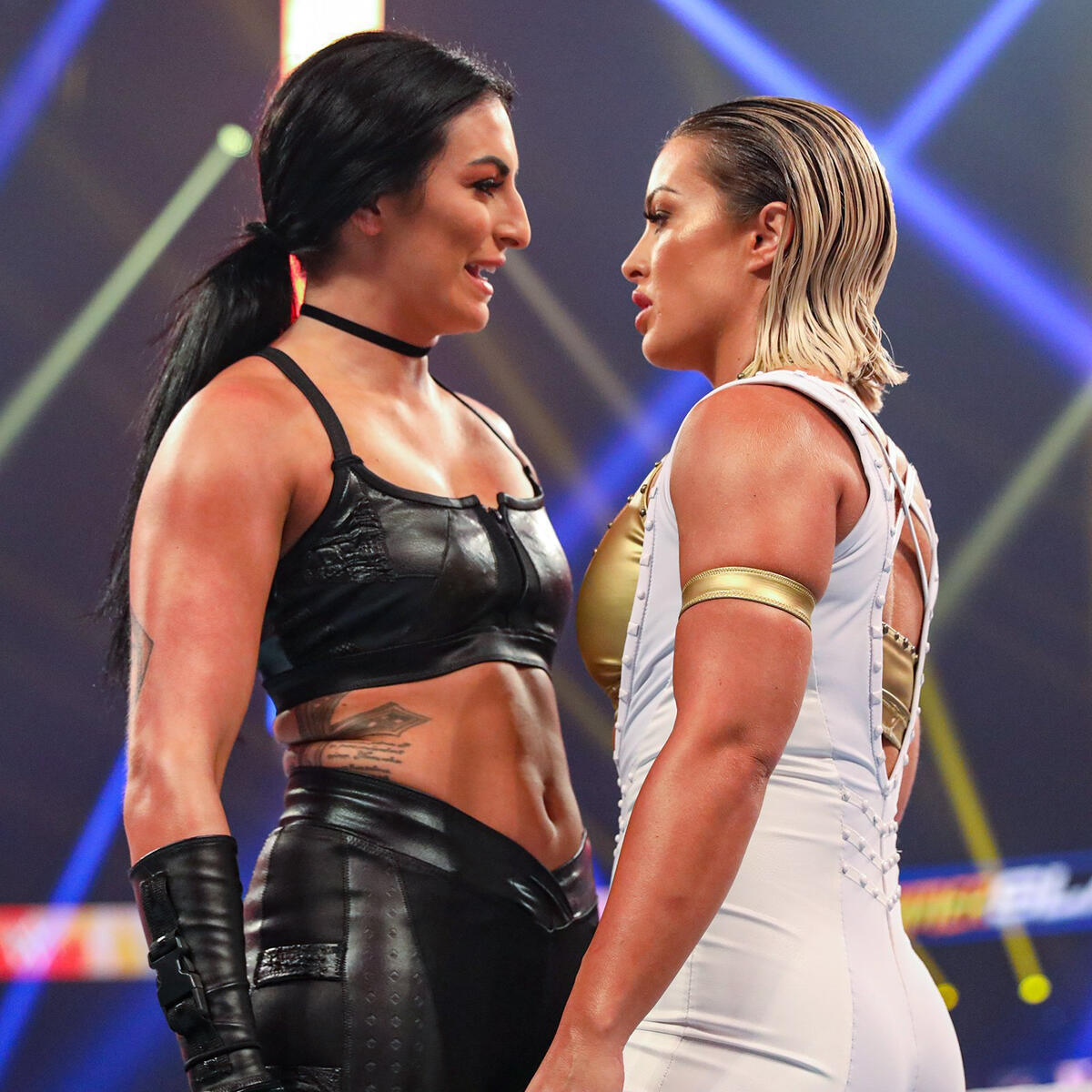
Sonya Deville vs Mandy Rose
Loser Leaves WWE – SummerSlam 2020
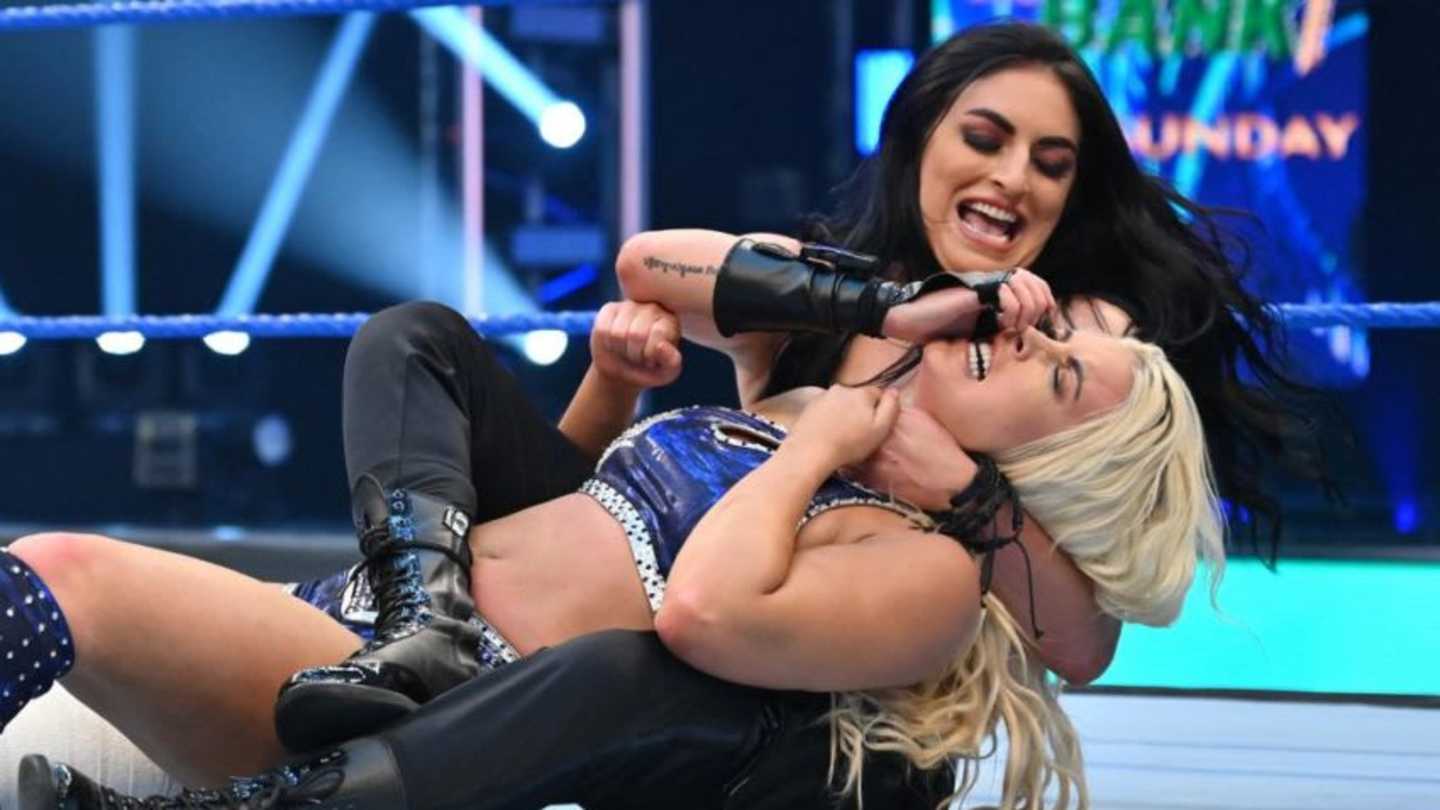
Why it mattered:
This was the most emotionally charged match of Deville’s career.
Former best friends and tag partners, Deville and Mandy Rose brought months of betrayal, jealousy, and psychological manipulation into a high-stakes stipulation: the loser would leave WWE.
Key significance:
- First true main-character moment for Deville
- Showcased her promo depth and emotional realism
- Ended with Deville’s loss, leading to her real-life hiatus
Despite losing, this match permanently elevated her as a serious dramatic performer, not just a wrestler.
Sonya Deville vs Asuka
RAW Women’s Championship Match – 2020


Why it mattered:
Facing Asuka, one of WWE’s most dominant champions, was a credibility test.
What it proved:
- Deville could hang with elite in-ring technicians
- Her MMA-based offense meshed well with strong-style opponents
- WWE trusted her in a title environment, even without a win
This match quietly positioned Deville as upper-midcard singles material.
Sonya Deville vs Lacey Evans
Hair vs Hair Match – WWE SmackDown 2020

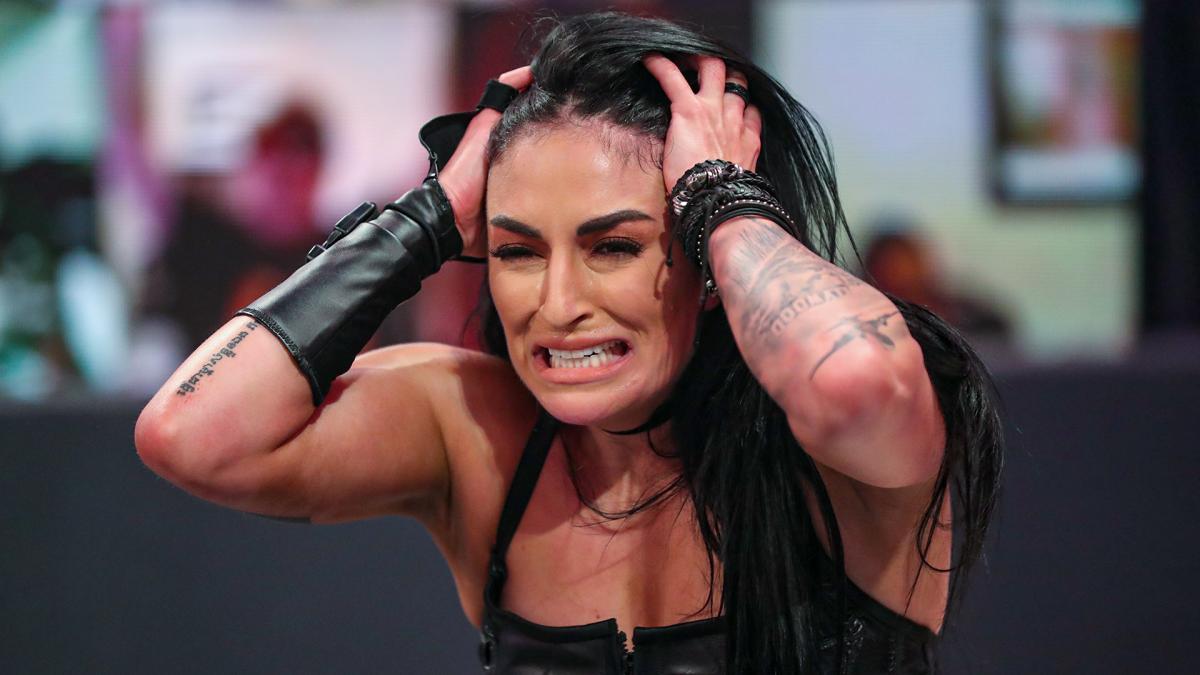
Why it mattered:
This was a visual and symbolic turning point.
After losing the match, Deville had her head shaved on live television—an act that could have derailed many performers. Instead, it strengthened her aura.
Impact:
- Reinforced her intimidation factor
- Helped redefine beauty standards in WWE
- Became one of her most recognizable looks
The moment is often cited as one of the boldest character transformations in modern WWE.
Sonya Deville vs Naomi
SmackDown Feud – 2021–2022
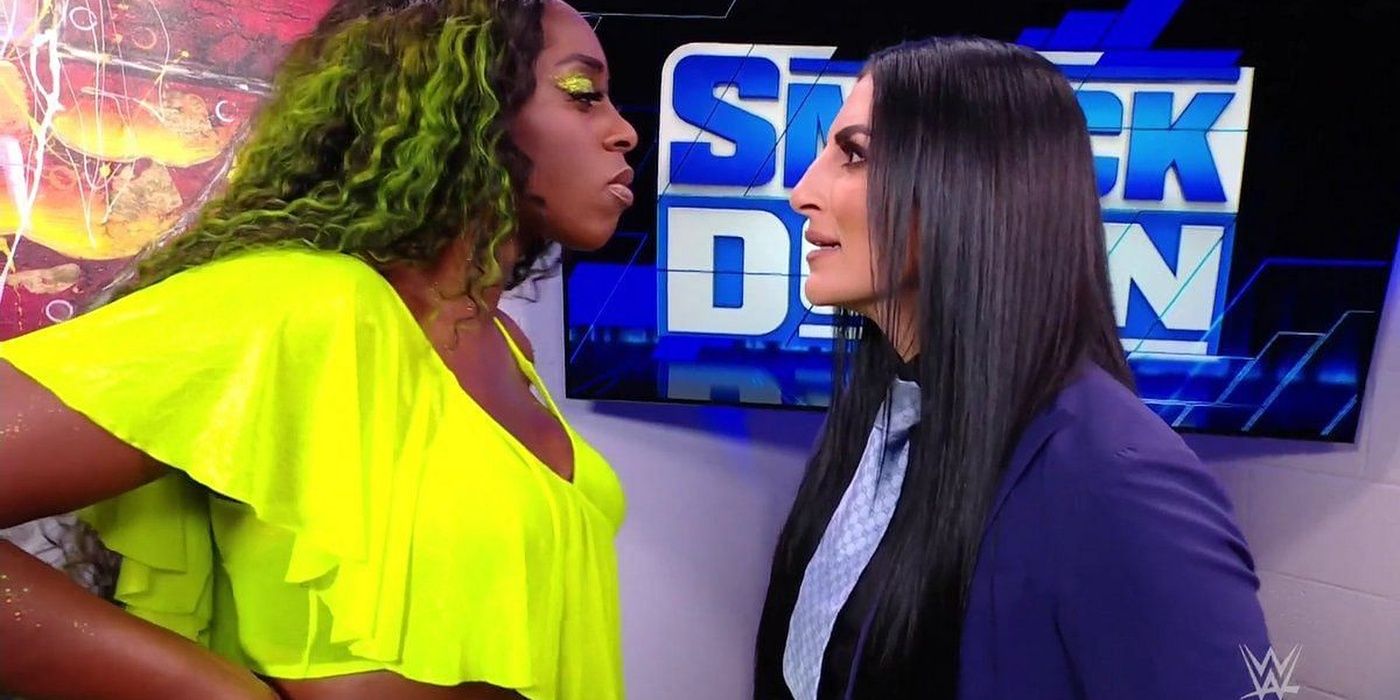
Why it mattered:
This rivalry blurred the line between fiction and reality, as Deville—then a WWE official—used her authority to antagonize Naomi.
Why it stands out:
- Long-term storytelling across months
- Deville excelled as a power-abusing antagonist
- Culminated in Deville’s return to in-ring competition
The feud reintroduced her as an active wrestler and showed her versatility beyond pure athletics.
Sonya Deville vs Ronda Rousey
SmackDown Singles Match – 2023


Why it mattered:
This was a legitimacy clash—two women with real MMA backgrounds colliding inside a WWE ring.
Against Ronda Rousey, Deville:
- Looked credible despite Rousey’s dominance
- Used realistic grappling exchanges
- Reinforced her identity as a legitimate fighter, not just a performer
It was one of her strongest “on-paper losses.”
Sonya Deville & Chelsea Green
WWE Women’s Tag Team Championship Victory – 2023
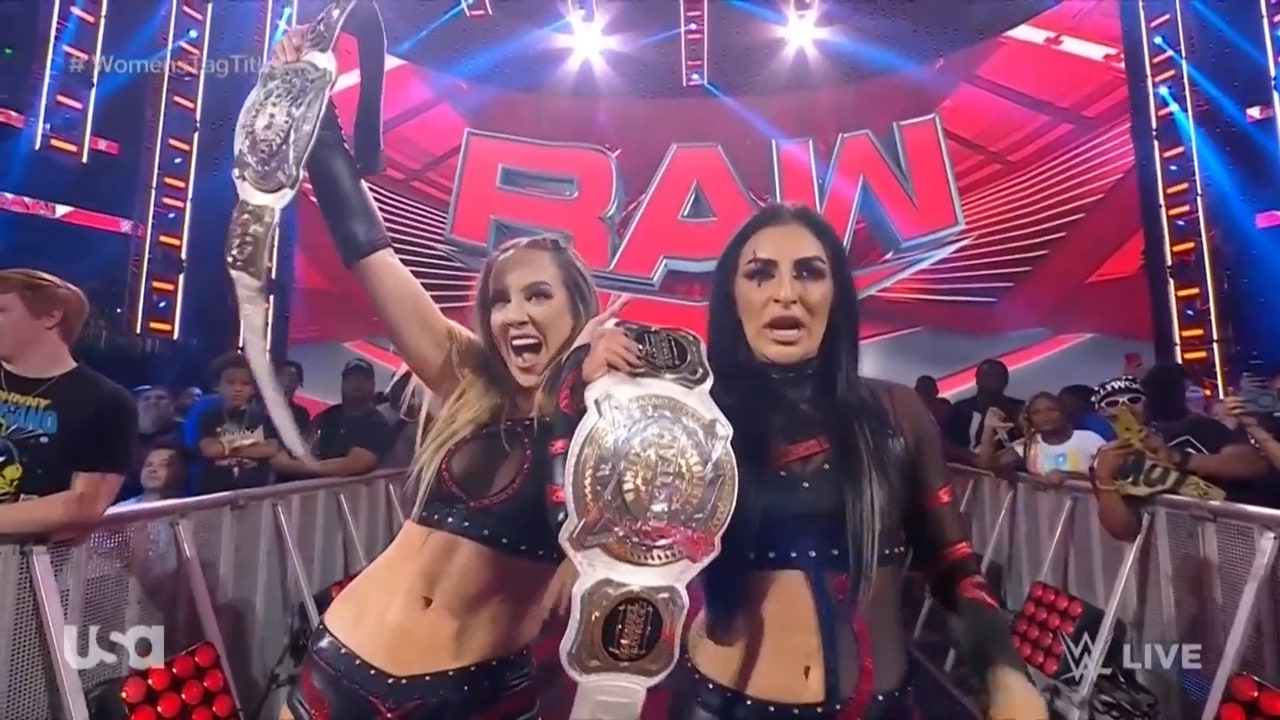
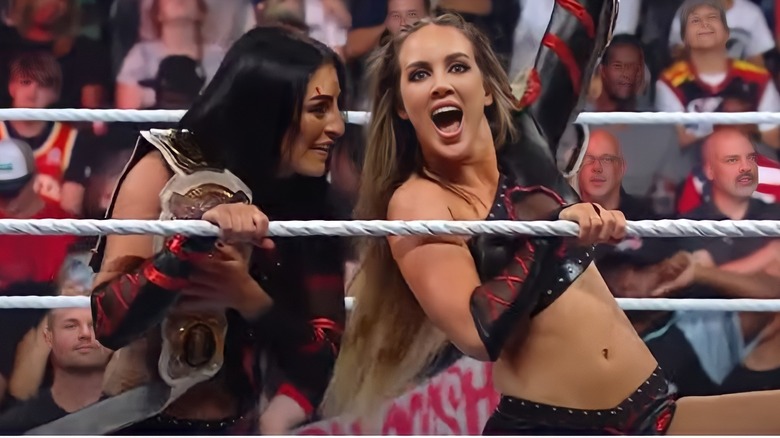
Why it mattered:
Teaming with Chelsea Green, Deville finally captured championship gold.
Importance:
- First WWE title reign
- Validated her long-term perseverance
- Highlighted her adaptability in tag-team psychology
The reign was unfortunately cut short by injury, but it remains a career milestone.
Sonya Deville vs Bianca Belair
RAW Singles Match – 2022


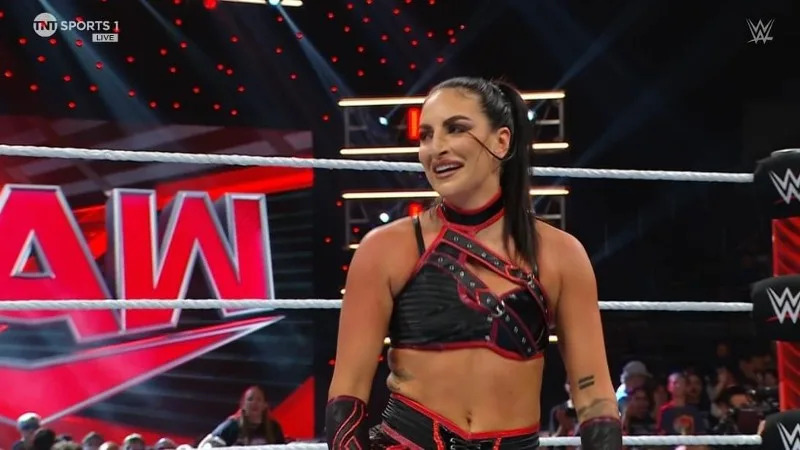
Why it mattered:
Facing Bianca Belair, one of WWE’s top stars, further cemented Deville’s role as a trusted gatekeeper.
Takeaways:
- Competitive, physical match
- Deville portrayed as dangerous, not disposable
- Reinforced her value as a credible opponent for top champions
Overall Assessment of Her Match Legacy
Sonya Deville’s most important matches share common traits:
- She often loses, but never looks weak
- Her matches advance story and character, not just rankings
- She is trusted in emotionally heavy or high-risk scenarios
In wrestling terms, Deville is the definition of a “utility mainstay”—someone WWE relies on to make stories feel real.
Media Presence and Public Image
Sonya Deville is frequently praised for:
- Professionalism
- Advocacy for mental health
- LGBTQ+ representation
- Survivor strength
She has appeared in interviews, documentaries, and WWE digital content discussing resilience and empowerment.
Achievements and Recognition
- WWE Tough Enough Finalist (2015)
- First openly lesbian active WWE female wrestler
- WWE authority role pioneer (female performer)
- One of WWE’s most credible MMA-based competitors
Legacy and Long-Term Impact
Sonya Deville’s legacy extends beyond championships. She represents:
- Evolution of women’s roles in WWE
- Authentic combat sports integration
- Cultural representation and courage
Her career is a testament to adaptability, survival, and reinvention.
FAQs About Sonya Deville
Who is Sonya Deville’s real name?
Her real name is Daria Rae Berenato.
Is Sonya Deville married?
No, her marital status is not publicly disclosed.
Does Sonya Deville have MMA experience?
Yes, she trained extensively in MMA and competed at the amateur level.
Why did Sonya Deville leave WWE in 2020?
She was written off TV following a storyline loss and later dealt with a real-life home invasion incident.
Is Sonya Deville still in WWE?
Yes, she remains under contract and active in WWE.
What makes Sonya Deville unique?
Her legitimate fighting background, authority presence, and cultural impact set her apart.
Conclusion
Sonya Deville stands as one of WWE’s most compelling modern figures—an athlete who transcended stereotypes, survived real-world adversity, and reshaped expectations for women in professional wrestling. Whether competing in the ring or commanding authority on-screen, her influence continues to resonate across WWE and beyond.