
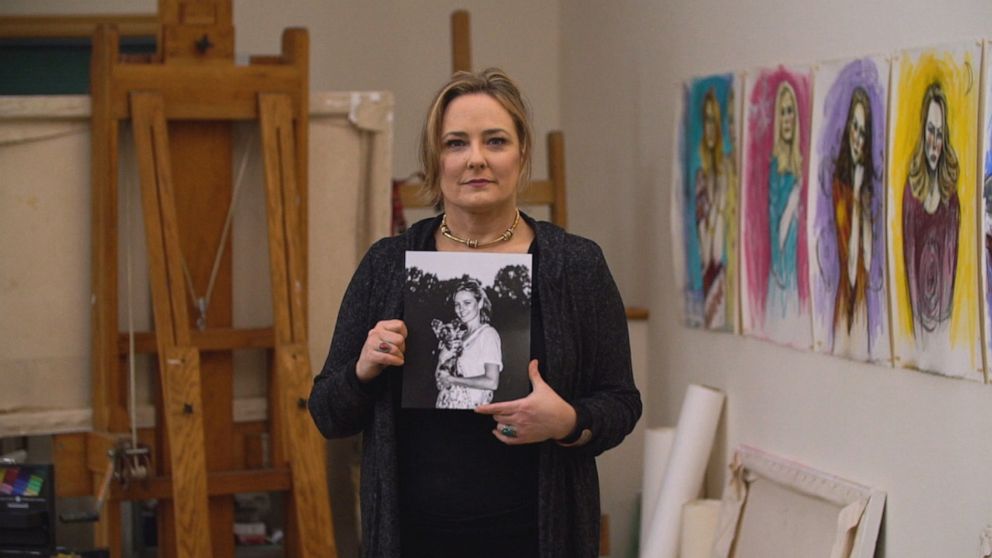
Maria Farmer is an American artist who became one of the first known women to formally accuse Jeffrey Epstein of abuse. More than two decades before his 2019 arrest, Farmer went to federal authorities in 1996 with allegations of sexual exploitation and trafficking. At the time, her report received little attention, but it was later recognized as one of the earliest official complaints tied to a case that would uncover a vast and deeply troubling network of abuse.
By choosing to come forward when few were willing to listen, Farmer demonstrated extraordinary resolve. Her persistence in the face of years of institutional inaction ultimately established her as a key early whistleblower in one of the most significant criminal investigations of the modern era. Beyond her role in exposing misconduct, she is also a formally trained visual artist whose life reflects both creative dedication and remarkable personal strength.
Quick Facts & Information
| Field | Details |
|---|---|
| Full Name | Maria Farmer |
| Date of Birth | Not publicly disclosed (Born 1969, approximate) |
| Age | Approximately mid-50s (as of 2026) |
| Birthplace | United States |
| Nationality | American |
| Profession | Artist, Whistleblower |
| Education | New York Academy of Art |
| Known For | First known person to report Jeffrey Epstein to federal authorities (1996) |
| Major Case Involvement | Reporting allegations against Jeffrey Epstein |
| Family | Sister: Annie Farmer |
| Marital Status | Not publicly disclosed |
| Net Worth | Not publicly disclosed |
| Current Residence | United States (exact location undisclosed) |
Early Life and Artistic Foundations
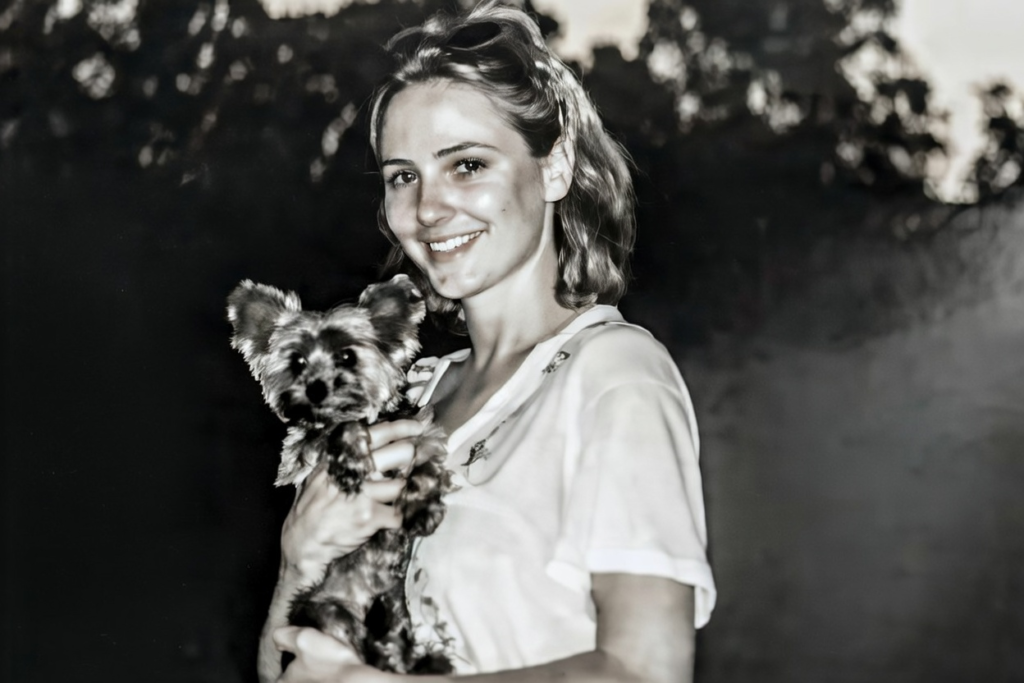
Maria Farmer was born in the United States in 1969. Much of her early life has remained out of the public eye, though interviews suggest she was raised in a modest setting where creativity played an important role. From an early age, she gravitated toward drawing and painting. For her, art was more than a pastime. It became a way to interpret her surroundings and process her emotions.
Growing up in an environment that encouraged artistic expression but offered few material advantages, Farmer learned to rely on persistence and discipline. That focus eventually led her to formal training at the New York Academy of Art, an institution recognized for its emphasis on classical methods and figurative work.
During her time there, she earned a reputation as a serious and driven student. The New York art world of the early 1990s demanded resilience and initiative, and Farmer immersed herself in exhibitions, mentorship relationships, and professional connections. She pursued her craft with a clear objective, to establish herself as a contemporary artist with a presence that extended beyond local circles and into the broader international art community.
Entry Into Elite Circles
In the early 1990s, Maria Farmer’s artistic career brought her into contact with powerful patrons and collectors. Among them was Jeffrey Epstein, then known publicly as a wealthy financier with elite connections.
At the time, Epstein was associated with prominent figures in politics, academia, and business. His social circle included influential personalities and institutions, which contributed to his public image as a philanthropic benefactor.
Farmer began working in proximity to Epstein in the mid-1990s. She has publicly alleged that during this period she experienced sexual assault and coercion at Epstein’s Manhattan townhouse and at his New Mexico property. Her younger sister, Annie Farmer, also later came forward with allegations of abuse.
The 1996 FBI Report: A Historic First Step
In 1996, Maria Farmer filed a formal complaint with the Federal Bureau of Investigation (FBI), detailing allegations of sexual abuse and trafficking involving Jeffrey Epstein and associates. This report predates Epstein’s first arrest by more than a decade.
According to Farmer’s later interviews, she provided detailed accounts of exploitation, including information about underage girls being recruited and abused. However, no immediate prosecution followed her complaint.
This lack of action would later become a central criticism of federal authorities, especially after Epstein’s 2008 plea deal in Florida and his controversial non-prosecution agreement.
Farmer’s early report stands as one of the most significant missed opportunities in modern criminal justice history.
Years of Silence and Isolation
After filing her complaint, Farmer described experiencing fear, trauma, and isolation. She has spoken publicly about the emotional toll of being ignored by institutions she believed would protect victims.
During this period, she retreated largely from public life. Her artistic pursuits continued intermittently, but the psychological impact of her experiences reportedly disrupted her professional trajectory.
In interviews years later, Farmer described feeling that powerful individuals were shielded by systemic protections—protections that left victims vulnerable and unheard.
2019: Epstein’s Arrest and Global Attention
The arrest of Jeffrey Epstein in July 2019 transformed Maria Farmer from an early, largely unknown whistleblower into a central figure in a global news story.
Epstein was arrested on federal sex trafficking charges in New York. The charges centered on the sexual exploitation of minors. The arrest triggered international scrutiny of his associates, finances, and institutional protections.
In subsequent interviews with major news outlets, Farmer revealed that she had reported Epstein to federal authorities as early as 1996. Her account reframed the timeline of the case and intensified criticism of law enforcement agencies for failing to act sooner.
Her sister Annie Farmer later testified in court, strengthening the public record of early allegations.
The Death of Jeffrey Epstein and Public Outrage
In August 2019, Jeffrey Epstein was found dead in a Manhattan federal detention facility. His death was officially ruled a suicide.
The circumstances surrounding his death fueled widespread speculation, public anger, and political debate. For survivors like Maria Farmer, Epstein’s death meant the loss of an opportunity for a full criminal trial that might have exposed additional truths under oath.
Farmer publicly expressed frustration that justice had been incomplete.
Relationship to Ghislaine Maxwell Trial
Farmer’s testimony and early reports gained renewed importance during the trial of Ghislaine Maxwell, Epstein’s longtime associate.
Maxwell was convicted in 2021 on charges related to sex trafficking minors. The case underscored the broader network of exploitation that Farmer had described decades earlier.
Her early documentation of alleged misconduct became part of the broader historical narrative of how long the system failed to respond.
Artistic Career and Creative Identity
While much of public discourse focuses on her whistleblower role, Maria Farmer remains an artist by training and identity.
Her artwork has been described as emotionally charged and reflective of trauma, resilience, and social critique. Though she is not widely known in mainstream art markets, her artistic practice has been deeply intertwined with her personal experiences.
Art, for Farmer, has functioned as both testimony and therapy.
Public Image and Media Portrayal
Following Epstein’s arrest, Farmer was widely described as:
- A pioneering whistleblower
- A survivor whose early warnings were ignored
- A symbol of institutional failure
- A voice advocating for systemic accountability
Her interviews were characterized by directness and moral clarity. She has spoken about the psychological burden of being dismissed and the cultural reluctance to believe women reporting powerful men.
Media coverage often frames her within the broader #MeToo movement, although her initial complaint predated that movement by more than two decades.
Advocacy and Systemic Reform
In recent years, Farmer has emphasized the need for:
- Stronger whistleblower protections
- Accountability for law enforcement failures
- Transparent investigation processes
- Victim-centered legal reforms
Her story is frequently cited in discussions about missed warning signs in high-profile abuse cases.
Latest News & Developments (2024–2026)
As of 2026, Maria Farmer continues to speak selectively with journalists and documentary filmmakers. The Epstein case remains a subject of investigation and litigation in civil courts.
Ongoing developments include:
- Continued civil lawsuits involving Epstein’s estate
- Institutional reviews of how federal agencies handled early complaints
- Renewed calls for transparency regarding Epstein’s network
Farmer’s early FBI report remains a focal point in debates about accountability and reform.
Legacy: A Catalyst for Reckoning
Maria Farmer’s legacy extends beyond personal survival. Her actions represent:
- The courage to confront powerful individuals
- The persistence of truth despite delay
- The moral cost of institutional inaction
History may ultimately remember her not only as a survivor, but as one of the first voices who tried to stop a global trafficking network long before it became headline news.
Frequently Asked Questions (FAQs)
Who is Maria Farmer?
Maria Farmer is an American artist and one of the earliest known accusers of Jeffrey Epstein, having filed a complaint with the FBI in 1996.
When did Maria Farmer report Jeffrey Epstein?
She reported him in 1996—more than a decade before his first arrest.
What is Maria Farmer known for?
She is known for being an early whistleblower in the Epstein sex trafficking case.
Is Maria Farmer still active publicly?
She occasionally participates in interviews and discussions related to institutional accountability and survivor advocacy.
Maria Farmer’s story is not merely about survival—it is about foresight, courage, and the enduring demand for justice in the face of extraordinary power.
Latest Interviews of Maria Farmer
Vindication from the 1996 FBI Report Release (December 2025): The DOJ’s partial release of Epstein files in mid-December included an FBI document from September 3, 1996, confirming Maria Farmer’s report about Epstein’s interest in child pornography, including allegations that he “stole” nude images of her and her underage sister Annie.
Maria Farmer reacted emotionally, stating she had “waited 30 years” and broke down in tears, saying: “I can’t believe it. They can’t call me a liar anymore.” She described it as one of the best days of her life but mixed with sorrow for other victims, noting: “I’m crying for two reasons… tears of joy for myself, but also tears of sorrow for all the other victims that the FBI failed.” This was covered in outlets like The New York Times, CNN, and statements via her attorneys at Marsh Law Firm.
Criticism of Government Failures: In statements through her legal team, Farmer emphasized that proper investigation in 1996 could have prevented harm to over 1,000 victims and 30 years of trauma. Her lawyer highlighted this as “triumph and tragedy,” validating her long-standing claims of FBI negligence. She is involved in an ongoing lawsuit against the government for failing to act on her report.
Ongoing Advocacy and Mixed Emotions: Farmer expressed gratitude for being “vindicated” but devastation over the continued failures, including heavy redactions in releases and violations like unredacted victim names or photos in some batches (as noted in early February 2026 coverage). Her attorneys described the releases as raising more questions than answers, such as missing parts of her file and other complaints.